Part 2: New rules for a new era (and the return of ads)
Adthena CEO Phillip Thune reveals how AI is ushering in a new era of search, predicting the unexpected return of ads to AI platforms and the rise of an "agentic web". Get his forward-looking playbook, with strategies to navigate this seismic shift.
In the first part of our series, we explored Adthena CEO Phillip Thune’s insights on the rapid, AI-driven changes to the search landscape. In this installment, we’ll dive deeper into the practical implications for marketers, discuss the future of advertising within AI, and explore the concept of a new “agentic web.”
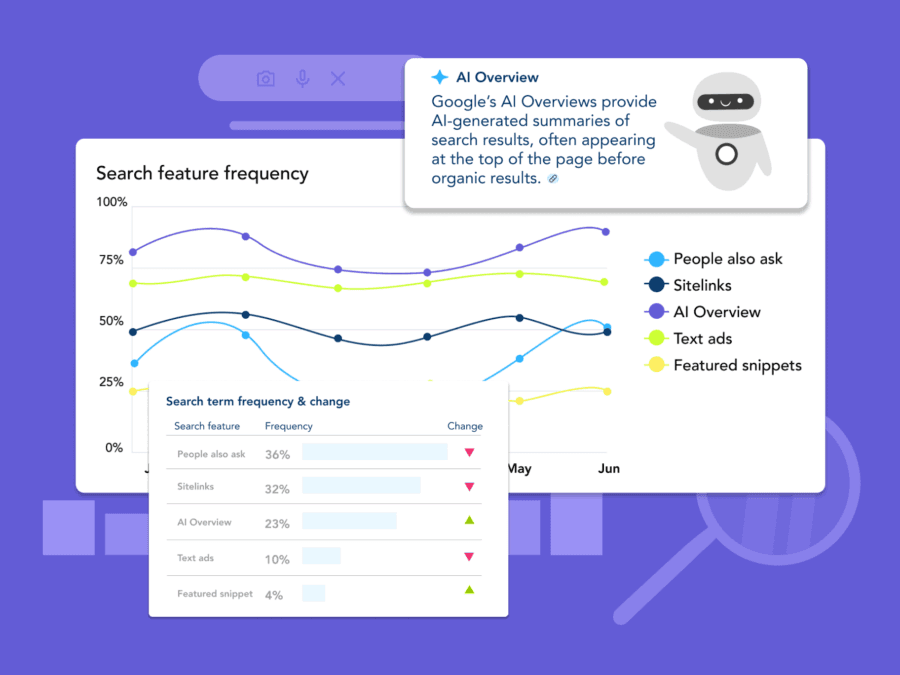
The rise of AI Overviews (AIOs) and the increasing complexity of the search page pose new challenges for advertisers. With AIOs taking up prime real estate, traditional ads are often pushed further down the page, impacting click through rates (CTRs). Phillip offers a few key takeaways for brands:
Know your data: The most crucial first step is to have a clear understanding of what’s happening. Adthena’s Search Landscape, which tracks AIO prevalence, has quickly become a popular feature for this reason. It allows brands to see how often AIOs are showing up for their most important keywords.
Target wisely: Phillip advises marketers to be alert to the keywords that don’t have AIOs. These are the queries where their ads will have the most visibility and a higher potential for clicks. Brands might consider shifting more budget toward these terms, assuming their conversion rates are strong.
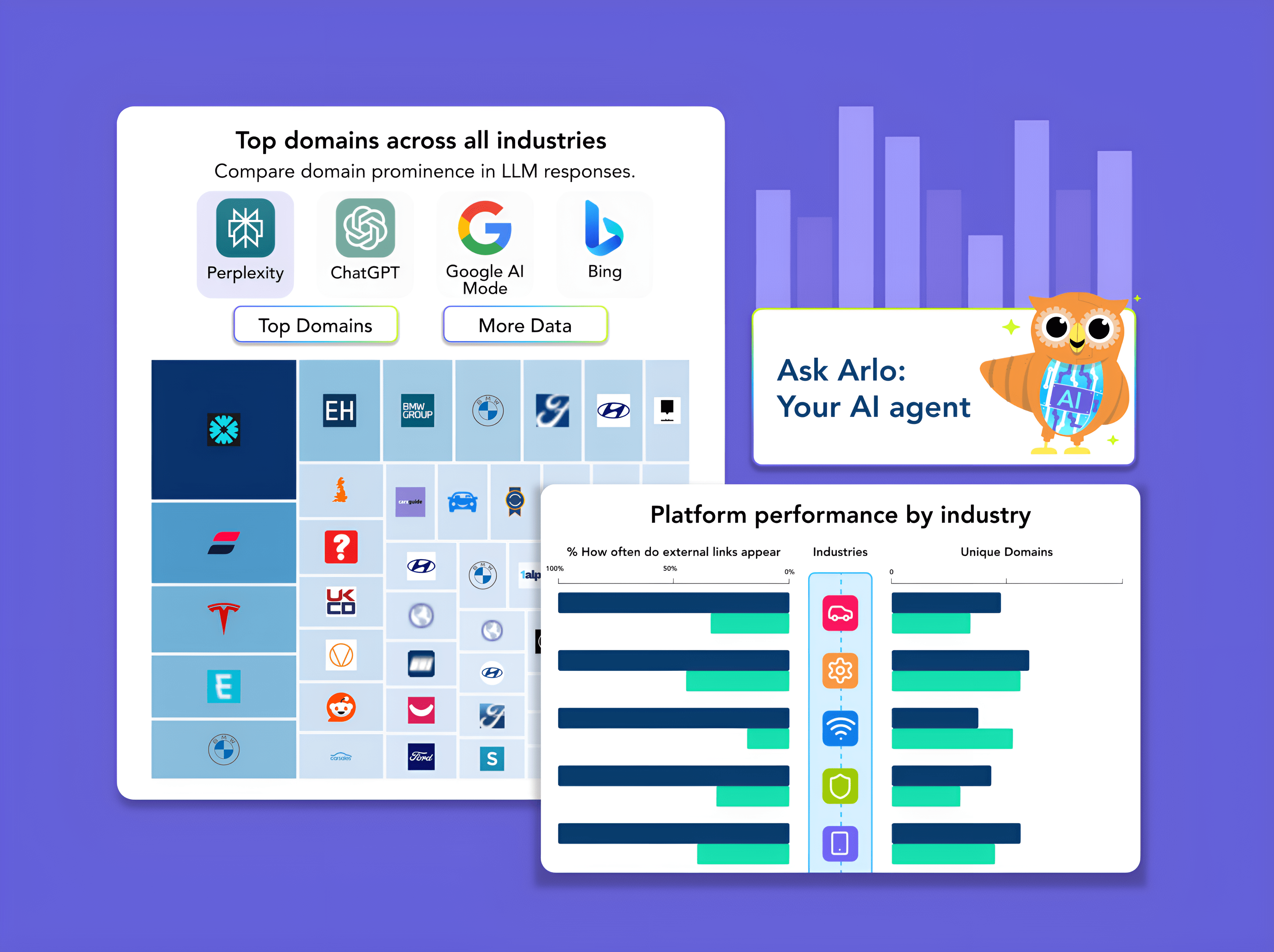
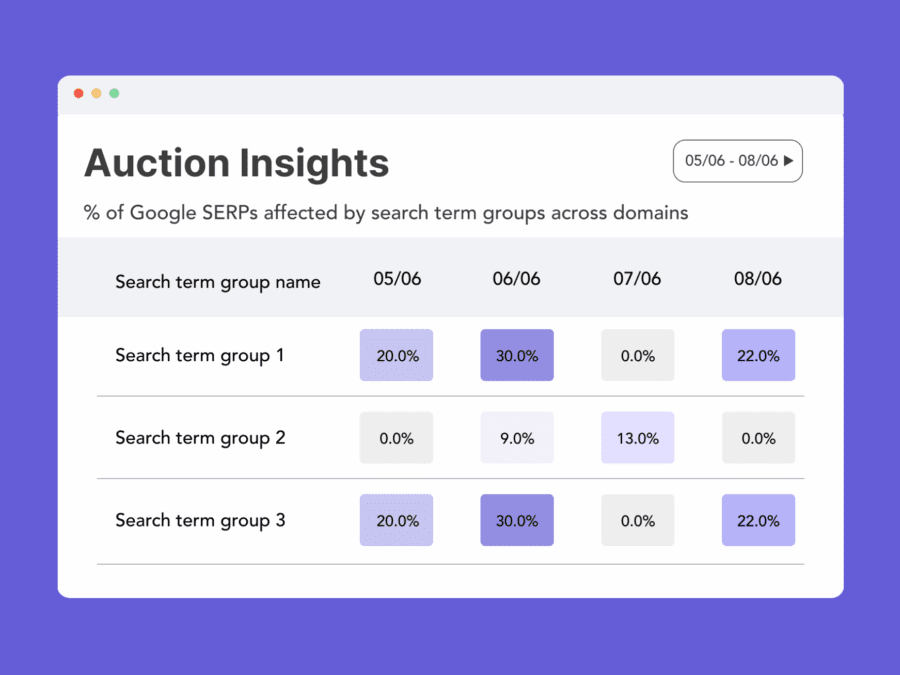
Study the competition: Beyond just tracking your own performance, it’s essential to monitor competitors. Phillip emphasizes the importance of understanding your competitors’ “playbook” – which terms they’re bidding on and how their strategy is changing in response to AI.
The most important thing is to know what’s happening. We’re answering a lot of questions by helping clients understand how often AI Overviews are showing up.
The impending launch of ads & auctions to AI Search
In the early days of AI search, many platforms were ad free, leading to a narrative that ads would disappear from the new search experience. Phillip, drawing on his 25 year history in the industry, believes this is a short-term trend. He compares the situation to Google’s early days, when co-founders Sergey Brin and Larry Page were initially hesitant to “corrupt” search with advertising. They soon realized that a pay-per-click model was a brilliant way to monetize the service while also providing value to the user.
Today, AI companies like OpenAI and Perplexity are grappling with the same challenge. They’re growing at an incredible rate and burning through a lot of money, which will require new revenue streams. While they may not adopt the exact same ad model as Google, Phillip is confident that ads will return in some form. Perplexity, for example, is already testing a unique monetization approach by offering “sponsored follow-up prompts” for free users. A user searching for job information might see a follow-up prompt sponsored by a company like Indeed. This is a glimpse into how alternative ad models are already being explored.
This sentiment echoes a lesson from the early days of the web. In 1998, GoTo.com’s decision to rank search results based on who paid the most was met with scorn from those who believed the internet should be a utopian, ad-free space. Yet, search advertising has since become one of the most accepted forms of advertising, largely because it connects users who are actively looking for something with businesses that sell it.
What’s next? The agentic web
Looking ahead, Phillip predicts the rise of an “agentic web,” where AI-powered agents will handle a wide range of tasks for us. He envisions a future where you can ask an agent to plan a dinner party, have it find a recipe, order the ingredients from a supermarket, and schedule the delivery, all without ever opening a search engine. This level of automation raises a crucial question for publishers and content creators, particularly for “publishing sites that are purely informational.” Phillip raises a specific concern that these sites could see their SEO traffic “just get hammered” if AI agents summarize information without sending users to the original source.
However, Phillip is also a realist. He doesn’t believe we’ll entirely cede control to these agents anytime soon. He argues that the human desire for discovery and the need to compare options, find deals, and conduct personal research will remain. While agents will become a bigger part of our digital lives, we’ll still want to have a say in the final decisions.
AI Agents will undoubtedly become more powerful, but I’m hesitant to believe we’ll cede complete control to them and simply assume they’ll get everything right.
Winning tomorrow’s Search Landscape
As we established in both part 1 and part 2 of this discussion, the search landscape is in the midst of its most dramatic transformation since the advent of Google. As Phillip’s insights and Adthena’s study reveal, AI is not just a new feature but a fundamental shift in how information is discovered and consumed.
The key takeaway for brands is that the old playbook for search is no longer sufficient. While the traditional model of paid search is being disrupted, history suggests that advertising will always adapt, taking new forms like sponsored prompts and conversational placements.
Looking to the future, the coming “agentic web” promises an even more profound shift, where AI agents will act as a new kind of intermediary for consumers. For marketers, success in this new era will require a strategic, data-driven approach, a deep understanding of user intent, and a willingness to embrace continuous change. The brands that stay agile, monitor their performance in the face of AIOs, and find new ways to be discovered by AI agents will be the ones that win in the AI-driven search landscape of tomorrow.