AI overviews are changing search marketing: What the data reveals

The search landscape is undergoing its most dramatic transformation in decades.

In a recent episode of Marketing O'Clock, our CEO, Phillip Thune shared what the data is revealing about this shift and what marketers need to do now.

marketing o clock blog: The search marketer's guide to AI overviews and the future of paid search
Share Resource

Understanding the shift

The wild west of search is back

\After 25 years in the search industry, our CEO describes the current moment as unlike anything seen before. The rise of AI chat and AI search tools like ChatGPT has created genuine competition for Google, making the search landscape more complex than ever. It’s reminiscent of the early days of digital advertising—a “wild west” era where marketers had to navigate brand new platforms and unprecedented challenges.

The data gap challenge

One of the biggest hurdles marketers face today is the lack of reliable data from AI search. Google’s integration of AI features has created a murky environment where it’s difficult to differentiate between AI-driven LLM-based impressions or clicks and traditional search interactions. This leaves marketers doing a lot of guesswork.

At Adthena, we’re working to bridge this gap by analyzing search results pages and sharing actionable insights with our clients and the broader marketing community.

Ads are coming to AI overviews (slowly)

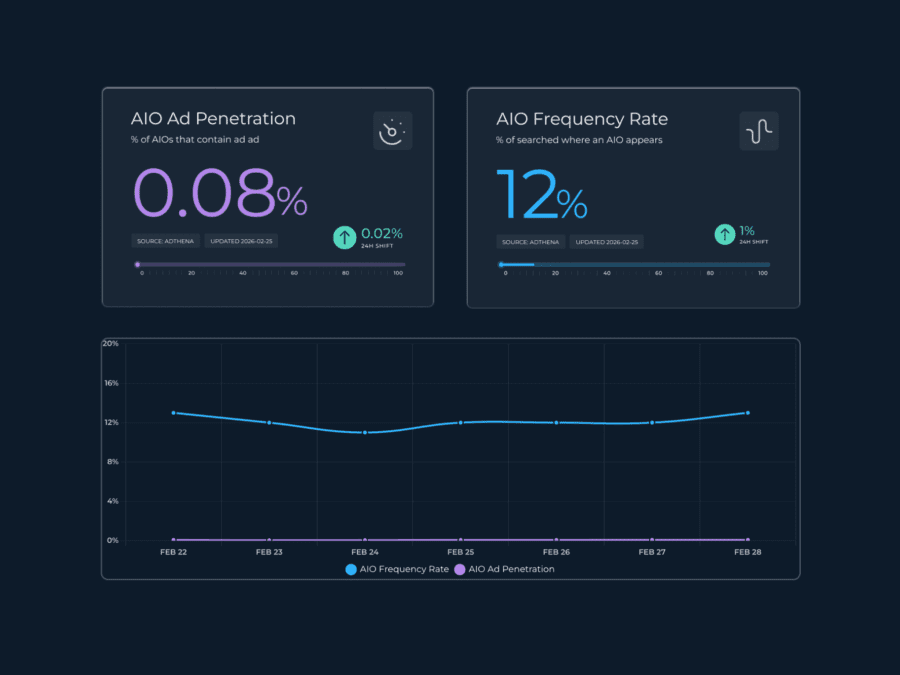
Our research has uncovered some fascinating early trends about advertising in AI overviews:

  • Currently, ads appear in only about 0.05% of AI overviews—roughly one ad for every 2,000 AI overviews
  • We expect this frequency to increase significantly as Google tests user reactions and refines the experience
  • Google will adjust based on click-through rates and user engagement with these ads

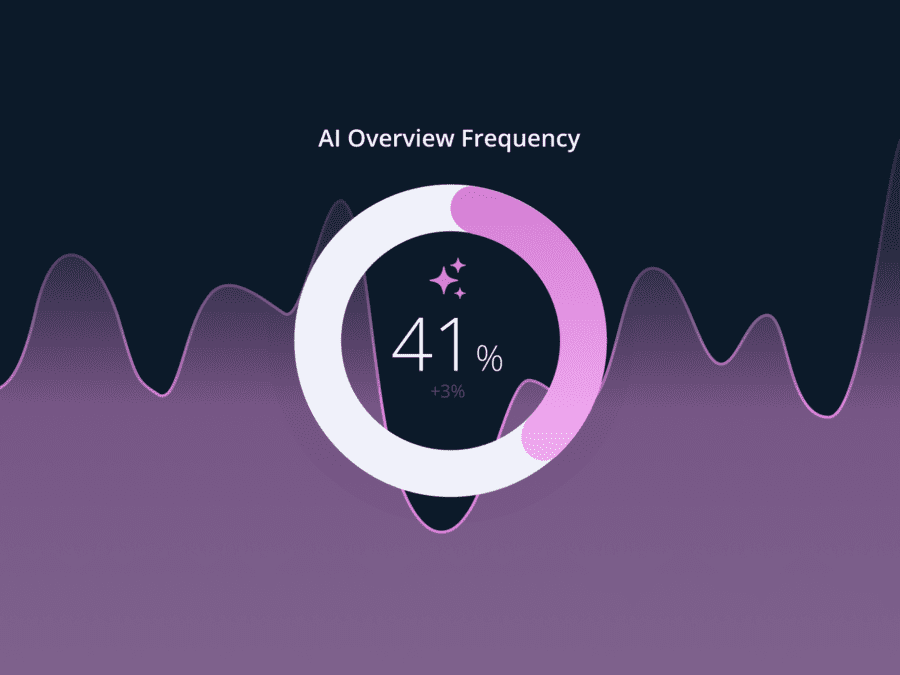
AI overviews are everywhere (and growing)

Our studies revealed several important patterns about AI overview triggers:

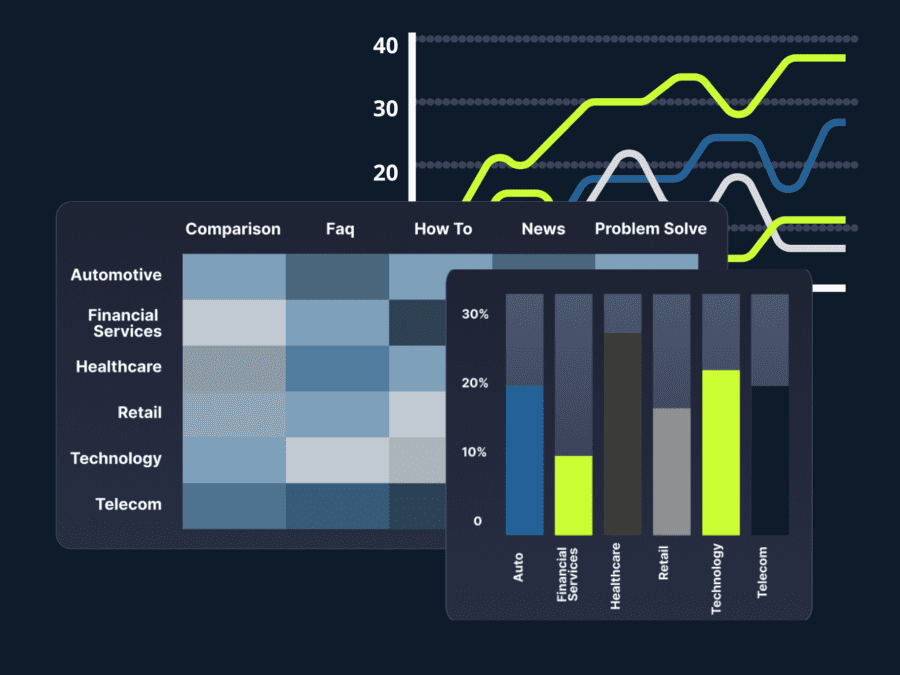
  • Query length matters: Longer search queries have a higher likelihood of triggering AI overviews
  • Overall frequency is rising: Between April-May and September-October 2025, AI overviews became more prevalent across all query types
  • Shorter queries are catching up: AI overviews are increasingly appearing even for brief searches

Brand terms aren’t immune: Nearly 18-20% of branded search terms now trigger AI overviews across all categories

The monetization race

The future: Ads in ChatGPT and beyond

The question isn’t “if” anymore—it’s “how.” Just 10 days ago, OpenAI announced it will introduce advertising in ChatGPT, marking a major shift for one of the world’s most popular AI tools.

OpenAI plans to begin testing ads in the free and low-cost ChatGPT Go tiers in the United States. The approach prioritizes user experience: ads will be clearly separated from core responses, labeled as sponsored, and designed not to influence the chatbot’s answers. OpenAI has emphasized privacy, user control over personalization, and maintaining trust as it expands access through advertising while keeping higher-tier subscriptions ad-free.
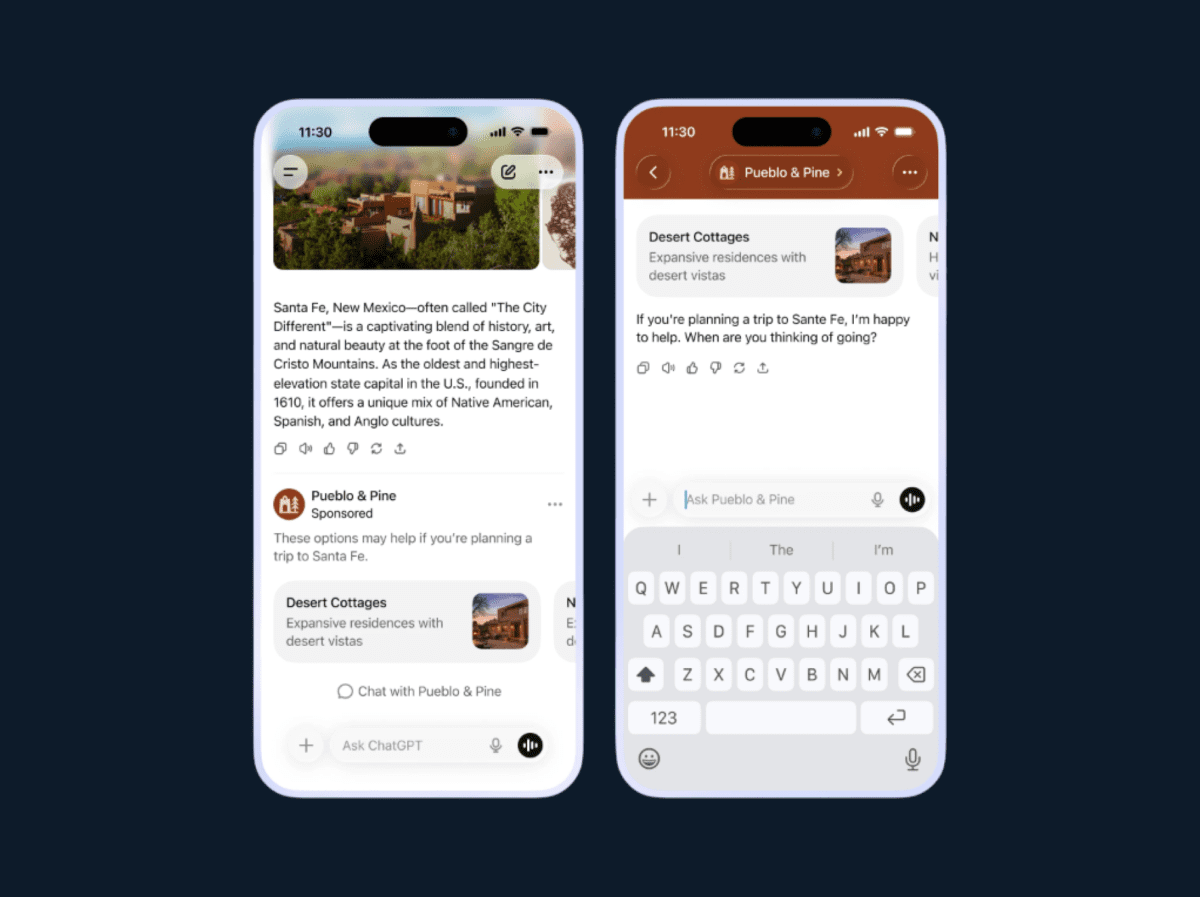
possible Chatgpt Ads image

This move makes sense when you consider the stakes. Google generates $56 billion in search revenue per quarter. OpenAI needs sustainable monetization, and while they’ve been exploring an affiliate/e-commerce model with partners like Shopify, Walmart, Target, and Etsy, the traditional advertising model appears to be taking center stage.

One thing remains certain: ChatGPT ads won’t look like traditional Google ads. OpenAI’s CEO has made his distaste for conventional ad formats clear, and this initial rollout suggests a more thoughtful, user-centric approach.

At Adthena, we’re dedicating resources to track this evolution from day one. We expect competition to be fierce in this new ecosystem, and we’ll be providing our enterprise advertisers with visibility from this platform’s first few days, weeks, and months.

How AI is changing the buying cycle

The proliferation of AI overviews in shorter queries and enhanced product research capabilities in ChatGPT is fundamentally shifting the buying cycle. AI tools are handling much of the initial research phase, which means customers who turn to traditional search are likely closer to making a purchase decision. This shift could significantly impact later-funnel marketing activities.

Breaking down silos: Paid meets organic

LLMs are erasing the traditional boundaries between paid and organic search. Marketers are increasingly asking: “How do the answers provided by AI overviews or ChatGPT impact our ad campaigns?”

The data tells a compelling story: when an AI overview appears, clicks on ads below it decline dramatically. This forces advertisers to rely on organic teams to get mentioned inside the AI overview itself.

The solution? Embrace automation. Features like Performance Max (PMAX) and AI Max (AIAX), combined with broad match strategies, can help advertisers show up in AI placements.

Rethinking your KPIs

In this new environment, efficiency should be your north star. AI overviews can eliminate expected traffic from ad campaigns, making traditional metrics less reliable.

Key considerations:

  • Impressions are losing value: Practices like double ad serving by Google make impression counts less meaningful
  • Focus on conversion paths: Explore different ways to convert users, such as gated content and downloadable resources, to capture customer relationships early

Practical resources for the road ahead

As we work to understand this shifting landscape ourselves, we’re sharing what we learn along the way. We’ve made several resources available on our website—no forms or gates—including market share reports broken down by category (retail, finance, travel) that track AI overview frequency and emerging ad copy trends.

We’re also applying these insights in our own platform work. Here’s what’s available for you:

  • Free market share reports: Ungated resources on our website broken down by category (retail, finance, travel) that track AI overview frequency and emerging ad copy trends
  • Brand protection tools: Features that automatically adjust brand term campaigns when competitor activity drops, helping you avoid wasted spend
  • Affiliate fraud monitoring: Tools that flag unauthorized affiliates who impersonate your brand in ads

The goal is simply to bring more visibility to what’s happening in AI search, since we’re all navigating this together.

Looking ahead

The search marketing landscape is evolving fast and the old playbook no longer applies. Success in this new era requires agility and a willingness to embrace both paid and organic strategies as a unified whole.

The marketers who thrive will be those who adapt quickly, leverage the right tools, and maintain a relentless focus on efficiency and customer relationships.

Want to learn more about how Adthena can help you navigate the AI search revolution? Explore our free resources or contact our team for a consultation.

Related content