Google’s AI Overviews (AIOs) are fundamentally reshaping the search results page, pushing traditional ads and organic listings further down. This directly affects paid search performance for brands unprepared for the change. To navigate this, advertisers need a way to track AIO frequency across search terms, devices, and user intent so they can take decisive action to protect their performance.
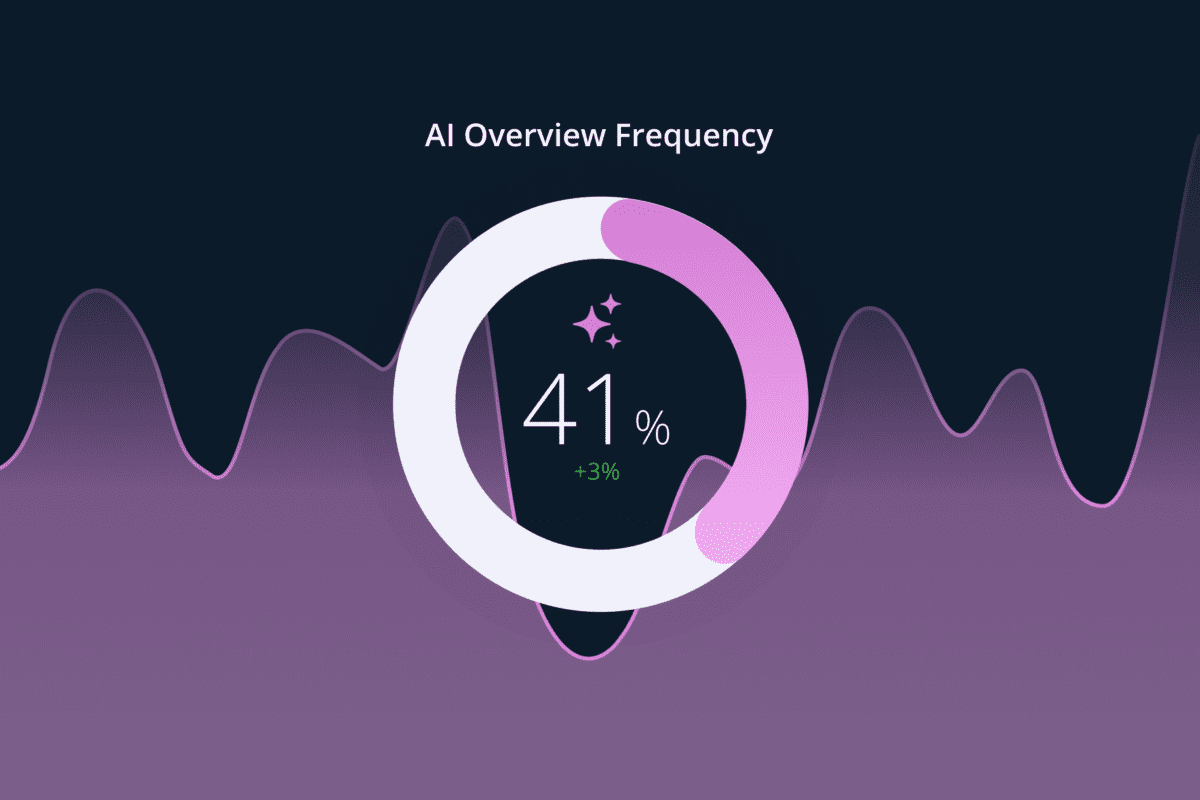
For years, SERP was a known quantity. But with Google’s AIOs now impacting between 10% and 57% of paid search results, the black box of performance has grown larger. When your CTR drops, is it because of a competitor, or is it a massive AI-generated block claiming the user’s attention first?
We launched Adthena’s AIO solution, the industry’s first tool designed to show you exactly how Google’s AI Overviews are impacting your paid search performance. Here’s how to outperform AI Overviews:
- Monitor your CTR: A drop in CTR can indicate AI Overviews’ influence, especially if campaigns haven’t changed.
- Leverage intelligence early: Use Adthena’s free Market Share reports to track trends, competitor moves, and industry disruptions caused by AI Overviews.
- Differentiate with smarter ad copy: Highlight brand trust, guarantees, or speed, and create variants that counter AI’s generic summaries.
Questions Adthena’s AIO solution will help you answer
Before diving into the data, every search marketer needs to address the critical gaps created by AI disruption. Our AIO solution is built to answer the questions that standard reporting cannot:
- Are you being cited in AIOs? Understand if your brand is being cited as a source of truth and whether your competitors are visible in those results.
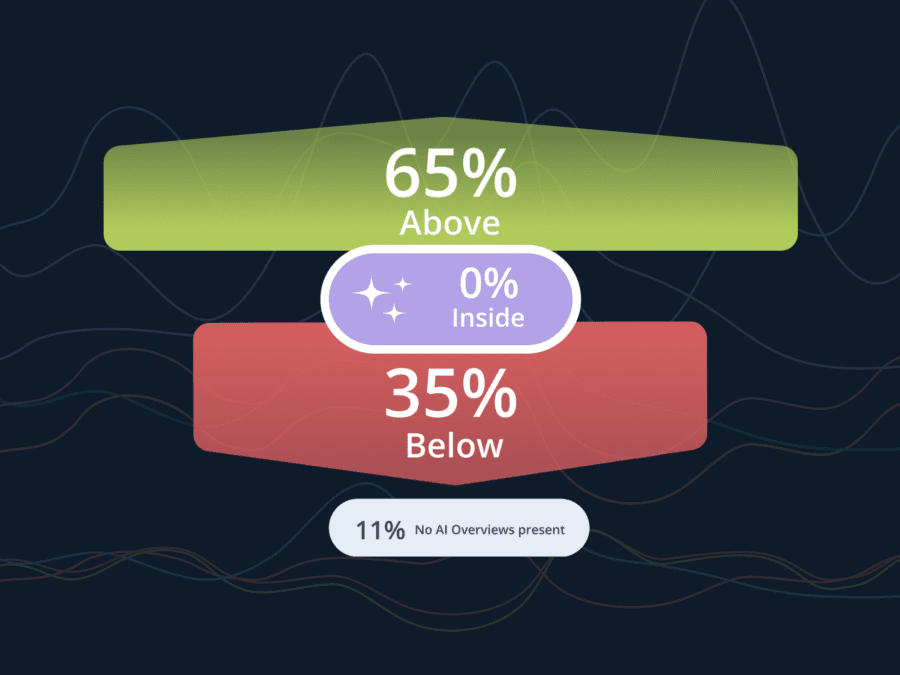
- Are AIOs pushing your ads down? Get key insights into the position of AIOs versus your ads to understand the true impact on visibility.
- How is performance impacted? Leverage impact analytics to see exactly how AI overviews are affecting your CTR and CPC.
Mastering Google’s SERP shift: Turning AI Overviews into actionable insights
AI Overviews introduce a new, unseen variable in paid search. The challenge isn’t just acknowledging their presence; it’s understanding where they matter, why metrics change, and what to do next.
Understand where AIOs are disrupting performance
Is it AIOs, or something else? Before you can act, you need to confirm what’s actually disrupting you.
This means identifying:
- Which campaigns or search terms are most affected
- Whether disruption is heavier on mobile vs. desktop
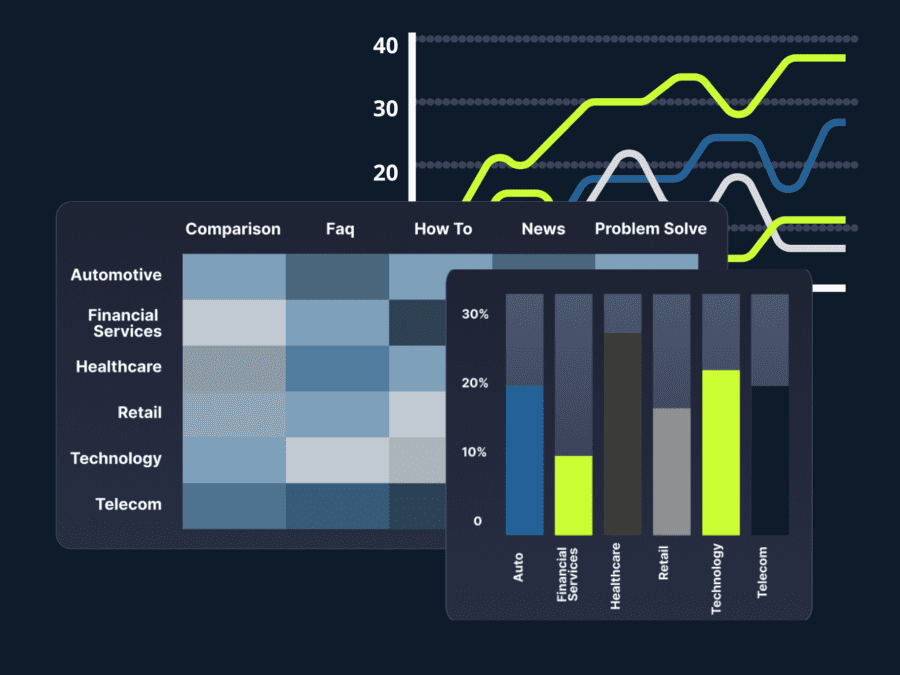
- How exposure differs by search intent
Without this clarity, performance drops are easily misattributed to competitors or auction pressure. With it, teams can quickly isolate where AI is intercepting demand and focus their efforts.
Validate why metrics shift and prioritize response
Not every AIO impression affects performance. That’s the critical insight most marketers miss.
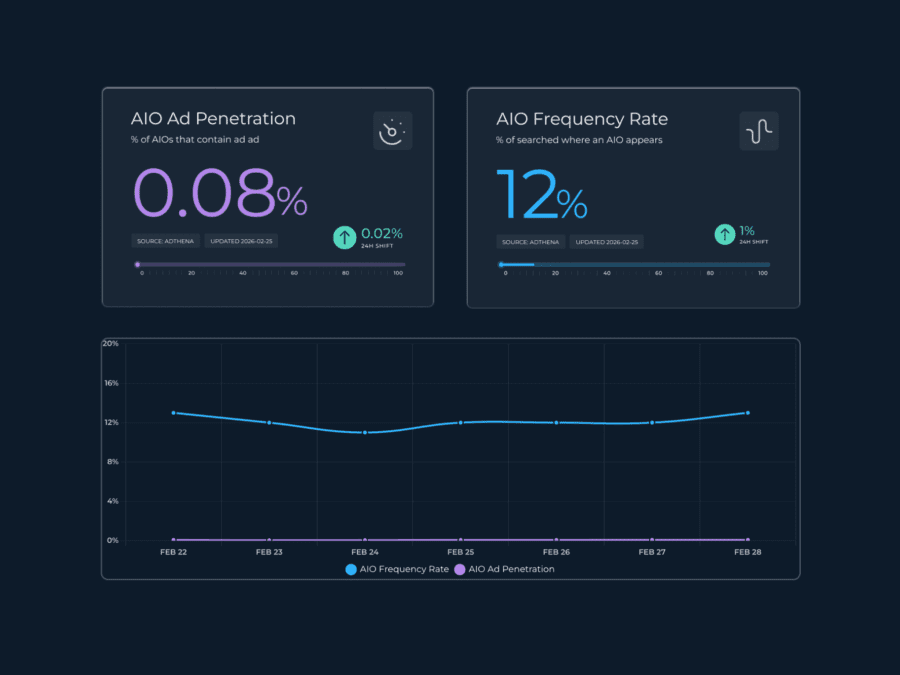
The question isn’t just “are AIOs appearing?” It’s “when they do appear, what actually changes?” Validation is about understanding how much AIO presence moves the needle on your metrics.
By comparing performance when AIOs appear versus when they don’t, marketers can identify:
- Where CTR erosion is most pronounced
- Whether CPC inflation correlates with AI exposure
- Which campaigns are most exposed if nothing changes
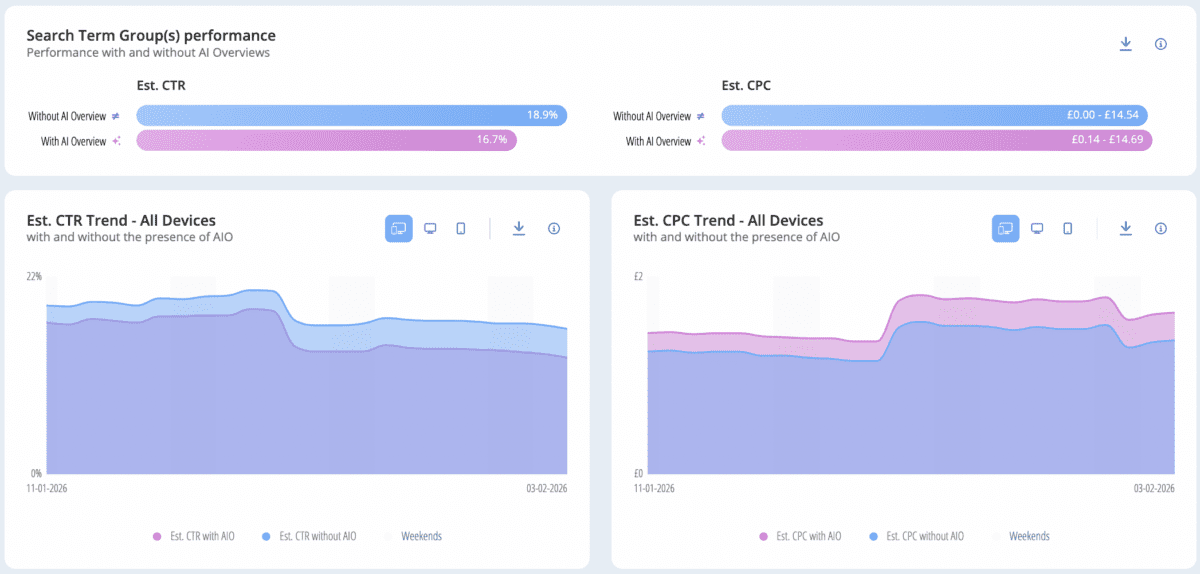
Example: isolating “with AIO” vs “without AIO” performance to identify risk.
This validation step is what allows teams to prioritize intelligently. Marketers can focus on the areas where action is most likely to pay off, whether that’s testing new ad copy, adjusting bids or budgets, expanding keyword coverage, or applying device-level strategies.
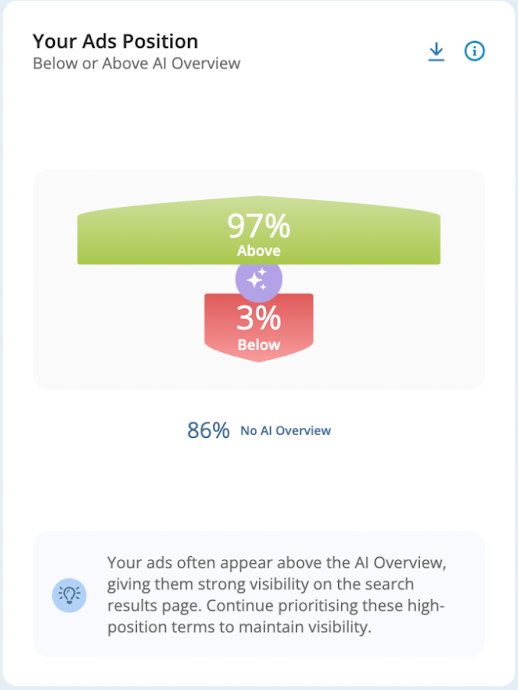
Example: identifying where device-level or bidding adjustments could mitigate AIO pressure.
Identify gaps and influence AIO visibility
Your ads might still be running, but that doesn’t mean your brand is visible where attention is going. When AI Overviews appear, the real question becomes: who is being cited, and why?
Understanding this layer means looking beyond impressions and clicks to see how AI is shaping the narrative for your category.
This starts with identifying:
- Where competitors are cited in AIOs and your brand is absent
- Whether AI favors publishers, aggregators, or brand-owned content
- Which content themes dominate AI responses (how-to, comparison, authority-led)
Without this insight, brands risk losing visibility even when budgets and rankings stay stable. With it, teams can see where AI is redirecting trust and influence and where gaps exist.
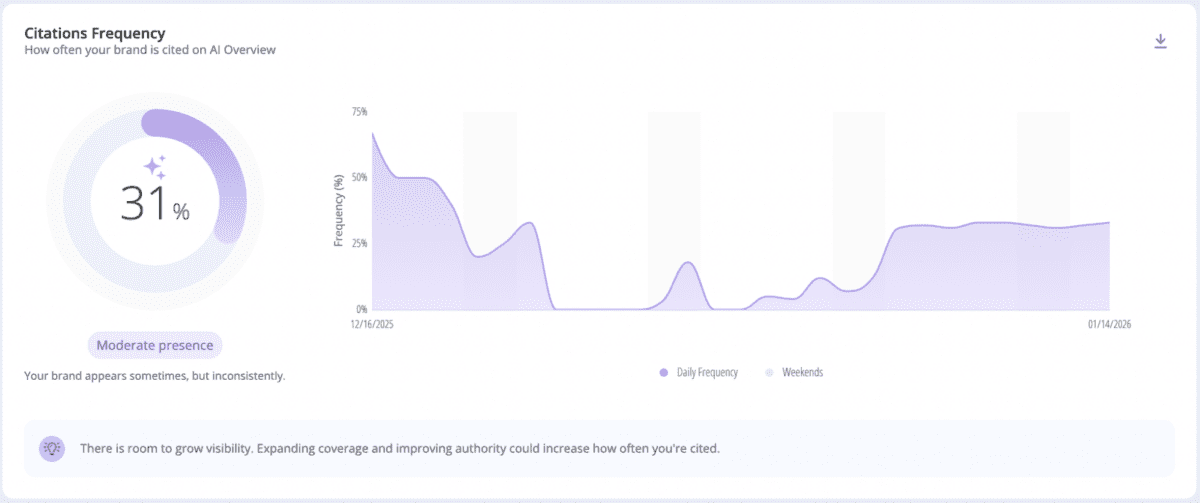
Example: identifying citation gaps and consistent third party sources.
This perspective connects paid search performance to broader strategy. It helps inform:
- Ad messaging that aligns with how AI frames the topic
- Landing page or content updates to improve relevance and authority
- PR or partnership decisions when third-party sources consistently dominate citations
Rather than treating AI Overviews as an uncontrollable black box, this approach gives marketers a practical way to influence visibility, shape perception, and stay competitive as the SERP evolves.
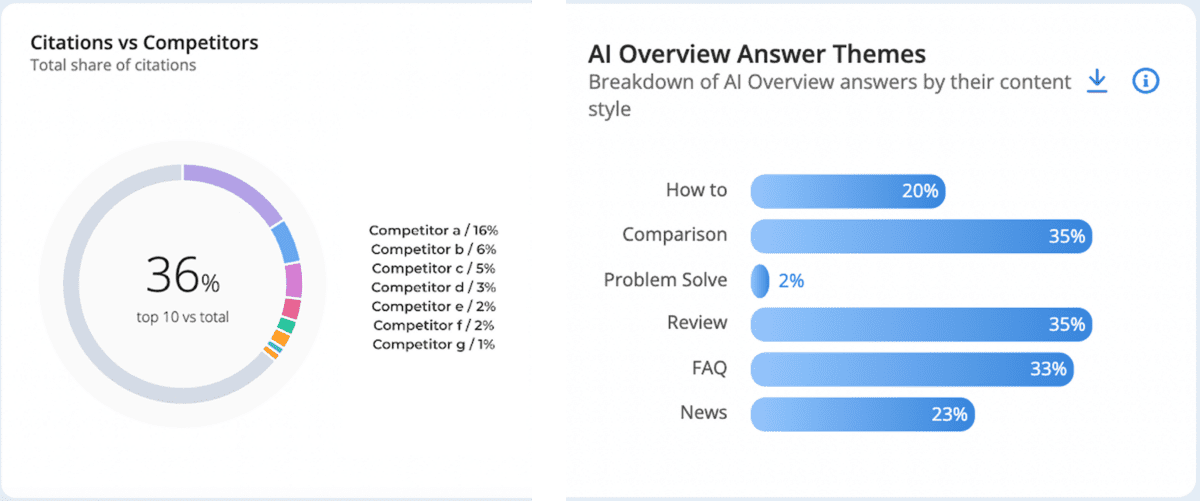
Example: benchmarking competitor citations to understand why they’re being referenced.
Defining your strategy for the next era of search
“AI Overviews are already changing how users interact with search results, and paid marketers can’t afford to wait for revenue to disappear before reacting,” said Phillip Thune, CEO of Adthena. “We’re the first to market with a solution that doesn’t just show where AI Overviews appear, but actually models their impact on CTR and CPC. That level of insight is critical for advertisers who need to protect performance and adapt now as AI reshapes the search landscape.”
The goal of AIO solution isn’t just to provide more data; it’s to provide the transparency needed to protect million-dollar PPC budgets from an incomplete view of the search landscape. Gaining AIO visibility is no longer optional, it’s essential for staying competitive in paid search.
Chat with a search consultant to see how AIO visibility looks across your own campaigns.