Search is undergoing its most radical transformation in two decades. On one side, we have the rapid increase of AI Overviews (AIOs) rewriting the rules of visibility and Click Through Rate (CTR). On the other, we have a shadow war emerging as bad actors use AI to scale ad fraud and brand impersonation.
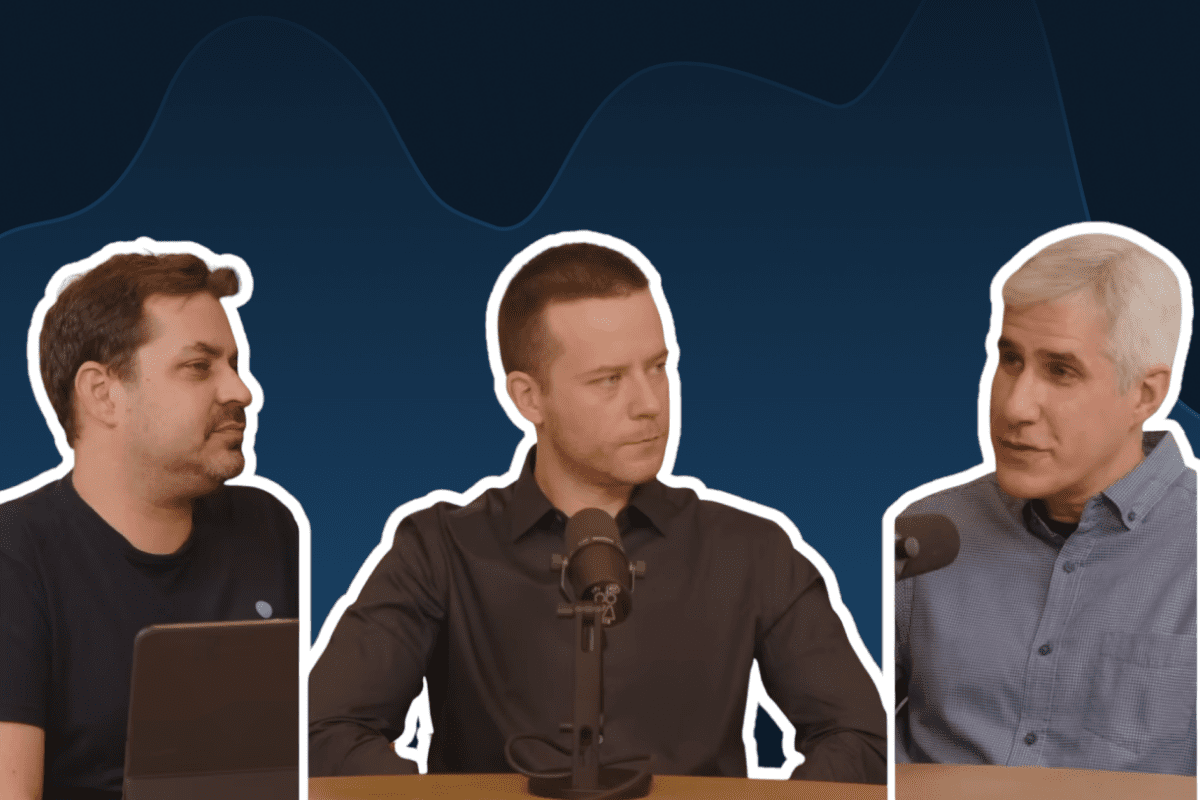
In a recent episode of the Paid Search NYC podcast hosted by Matt Shenton, our CEO Phillip Thune sat down with Shlomi Beer (CEO of Impersonally) to connect the dots between performance data and brand safety.
Drawing from a massive study of 21 million Search Engine Result Pages (SERPs), they unpacked exactly how Google’s AI is impacting paid search performance and why “brand protection” is no longer just a buzzword, it’s a survival strategy.
Here is the breakdown of what the data says and what you need to know.
1. The "safe haven" of brand search is gone
For years, brand search was the reliable bedrock of PPC. You bid on your name, you got the top spot, you captured the high-intent traffic. According to our latest data, that reality is fracturing.
In previous studies, AI Overviews rarely appeared on branded queries (searches containing a specific brand name). The latest data shows a massive shift: AI Overviews now appear on approximately 20% of branded queries across major industries.
Why does this matter? When an AIO appears above your paid ad, it pushes your brand down the page. Even if a user is searching specifically for your company, Google is intercepting that intent with a summary.
2. The CTR impact: A 40% drop?
The biggest question on every marketer’s mind is: Does the AI Overview steal my clicks?
The short answer is yes. According to our latest study findings, Phillip revealed that when an AI Overview appears above paid search ads, CTR can drop by 20-40%.
However, the behavior varies wildly by industry and query length:
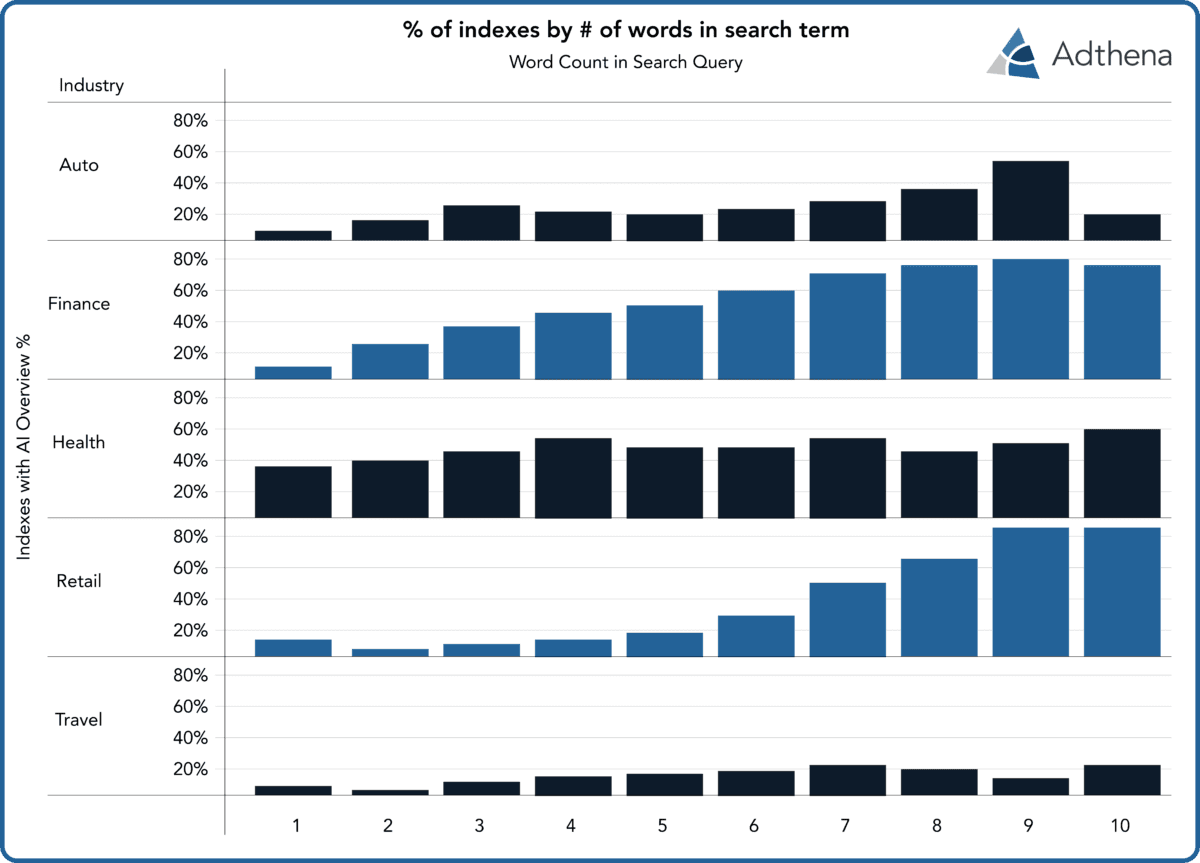
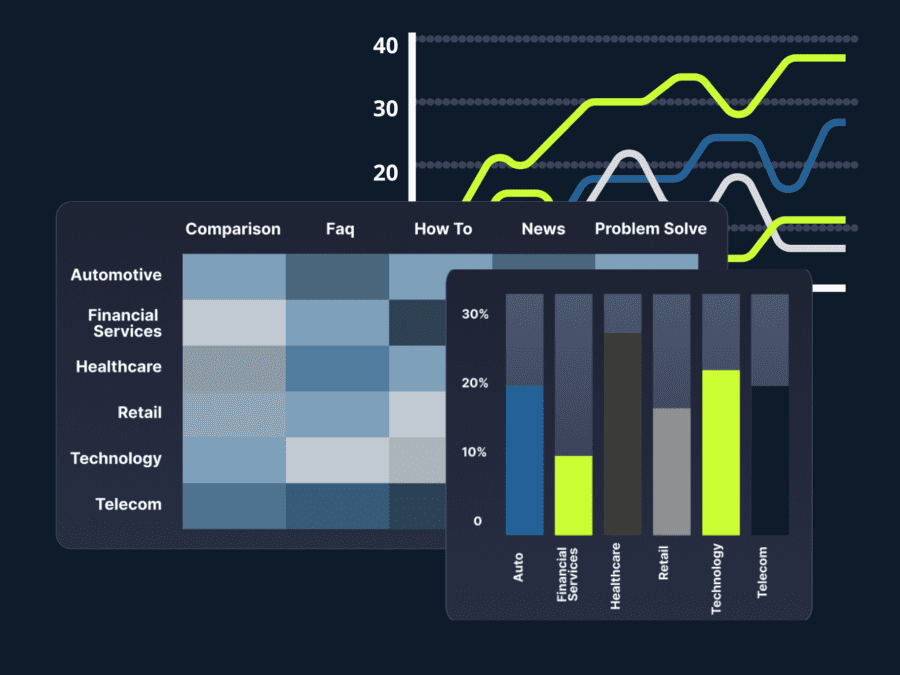
Adthena data showing the percentage of indexes with AI Overviews, broken down by industry and word count.
- Retail: AIOs are appearing frequently on “research” queries (6–7 words long), suggesting Google is trying to capture users in the upper funnel before they are ready to buy.
- Finance & Healthcare: These sectors see huge fluctuations. One week AIO prevalence is 40%, the next it drops to 10%. This is likely due to strict compliance and regulatory guidelines where Google’s AI gets “nervous” about giving financial or medical advice.
3. Shorter queries are no longer immune
The initial assumption was that AI Overviews would only trigger for complex, long-tail questions (e.g., “What is the best running shoe for flat feet?”).
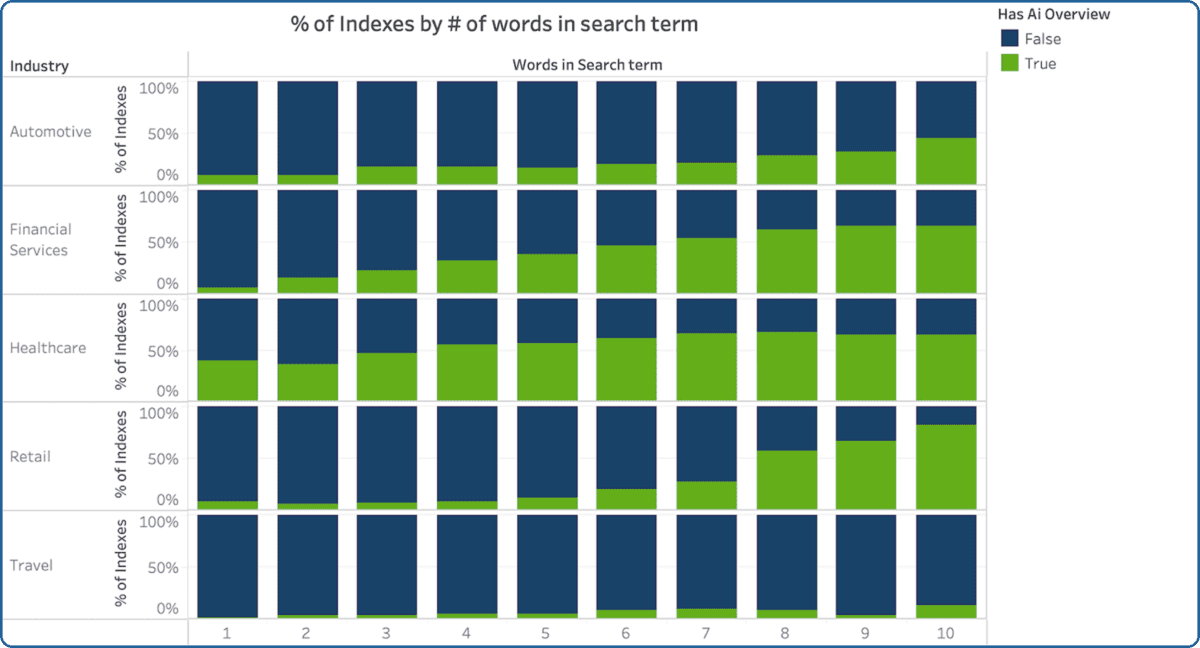
The distribution of AI Overviews (Green) typically increases with query length, but short-tail terms are no longer zero-risk.
The study debunked this. We are now seeing AI Overviews appearing frequently on shorter, higher-volume search terms. This suggests Google is becoming more confident in serving AI summaries for broader topics, which poses a direct threat to high-volume keyword strategies.
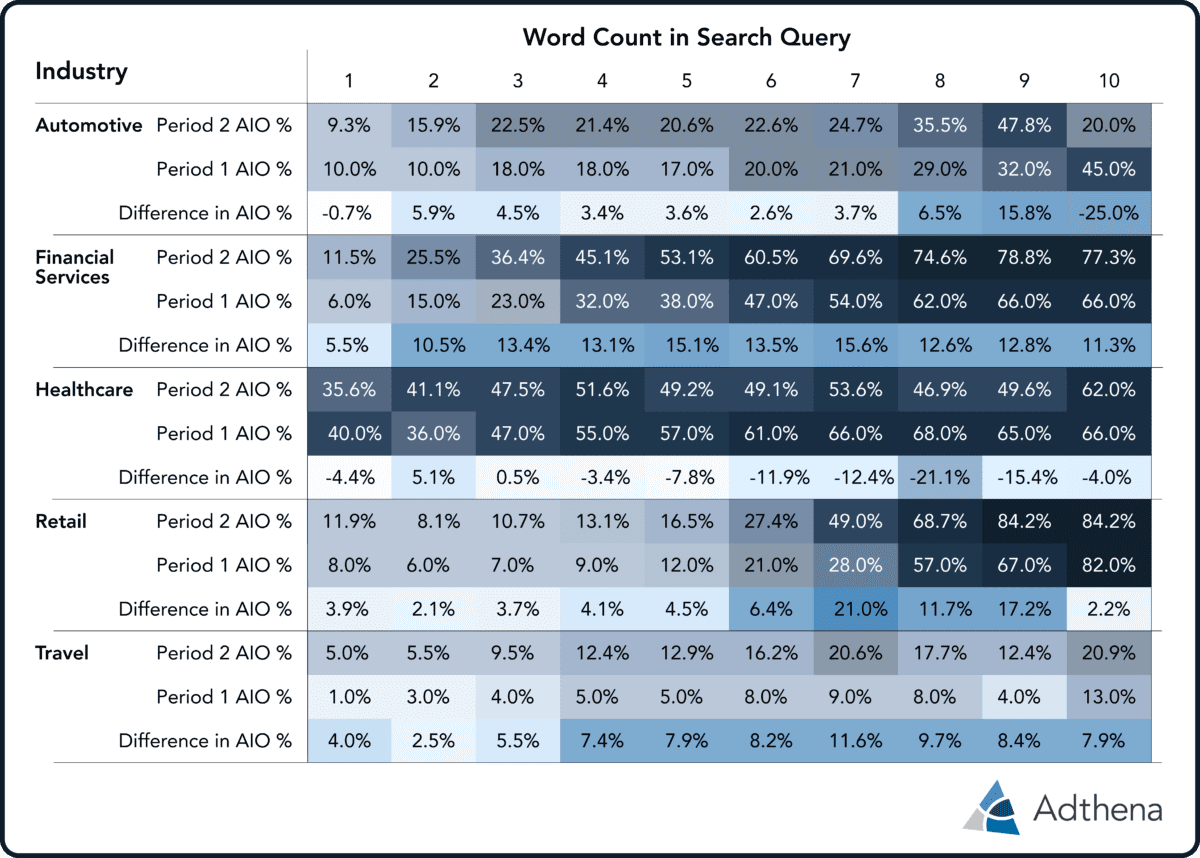
Heatmap analysis showing the growth of AI Overviews on short-tail queries (1-3 words) across key industries.
4. The rise of AI-driven ad fraud
While marketers are worrying about Google’s AI, a darker trend is emerging. Shlomi Beer from Impersonally highlighted how bad actors are utilizing AI to scale ad fraud.
It is no longer just about affiliate cookie stuffing. The fraud has mutated into:
- Sophisticated impersonation: Scammers use AI to build carbon copies of brand websites (e.g., a fake Microsoft support page) to steal credentials.
- Fake support ads: Ads targeting queries like “Airline customer support” that lead to fake call centers.
- SEO poisoning: Bad actors using LLMs to generate mass content that ranks organically, pushing down legitimate brand pages.
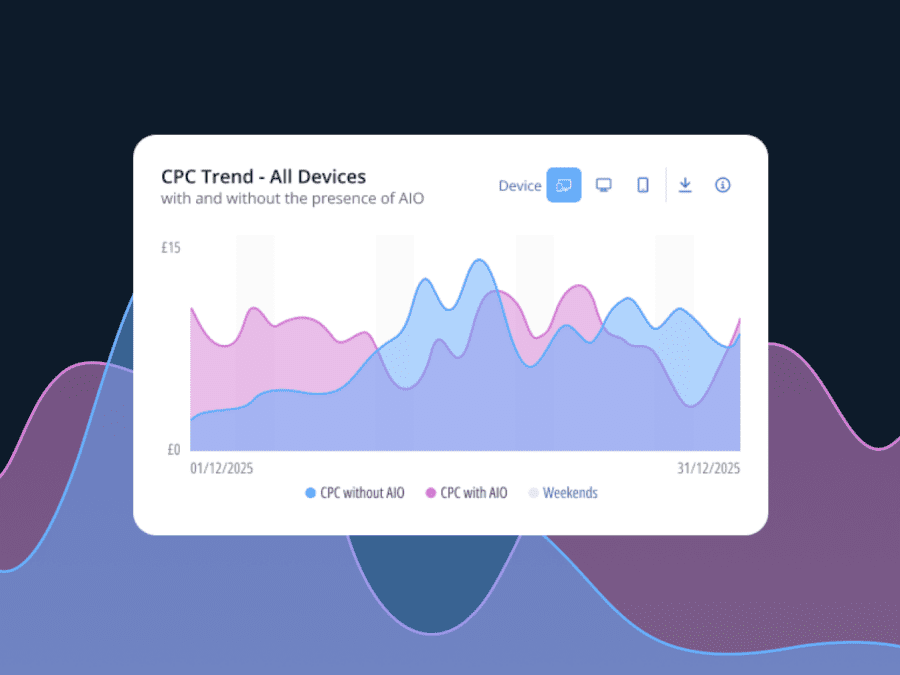
The cost of fraud: It’s not just about lost revenue. Fraud on your brand terms inflates your CPCs. You end up in a bidding war against a scammer who is impersonating you.
5. The future: Ads inside the AI Overview
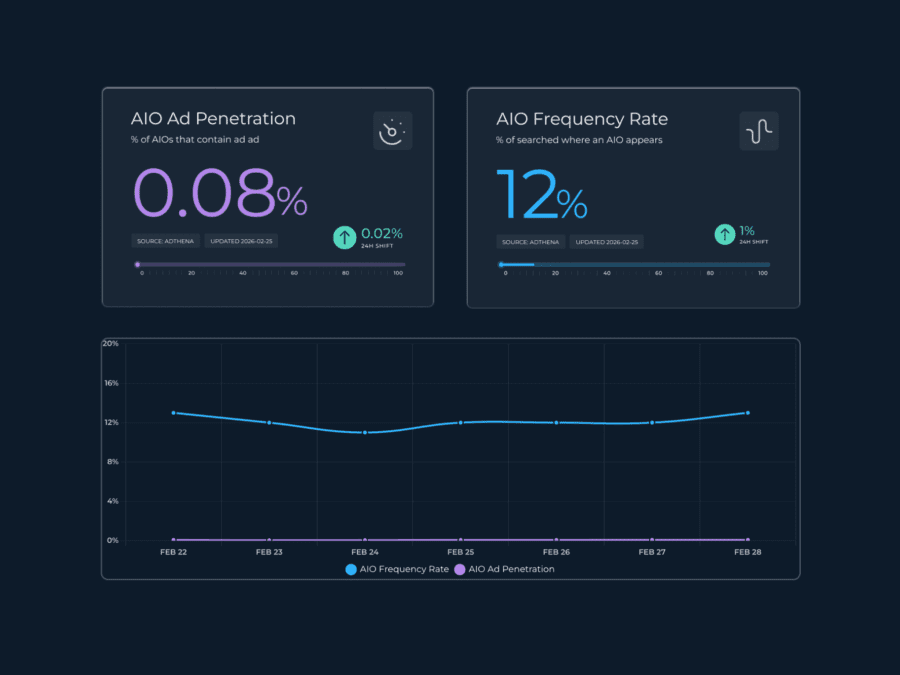
We know it’s coming, and we are starting to see the early signs: Ads appearing directly inside the AI Overview text.
Phillip noted that while Google has teased this, it is currently a “black box.”
- You cannot specifically bid to be in the AIO.
- You currently cannot report on whether your ad appeared in an AIO vs. standard search.
- Entry seems tied to broad match and PMax campaigns.
This signals a future where “visibility” becomes a metric that is harder to track, making third-party monitoring tools essential.
The verdict: Visibility is the new strategy
The consensus from the podcast is clear: We are in an era of volatility.
If an AI Overview appears on your top-converting term tomorrow, your performance will dip. If a bad actor starts impersonating your brand ads, your CPCs will spike.
Your action plan:
- Monitor AIO prevalence: You need to know which of your keywords trigger AI summaries so you can adjust bids or shift budget.
- Protect your brand: actively monitor for impersonation and affiliate fraud to stop budget wastage.
- Watch the funnel: Understand that AIOs are compressing the funnel, users might be getting their answers without ever clicking your website.
Unpacking the real impact of AI Overviews and ad fraud
Don’t let AI Overviews and brand impersonation drain your paid search budget in the dark. Adthena gives you the market leading intelligence to monitor your entire search landscape, spot AI threats instantly, and shut down fraudsters.
Book a demo to see where you stand on the SERP.