ChatGPT ads trial: 5 predictions on outcomes & advertiser needs

As the ChatGPT ads trial officially begins, early advertiser feedback is already revealing where pressure points, limitations, and opportunities are emerging for PPC and AI search marketers.

ChatGPT ads trial: 5 predictions on outcomes & advertiser needs
Share Resource

Earlier this year, we shared Adthena’s first predictions on what ChatGPT ads could look like, outlining how advertising might function inside a conversational AI environment, from keyword logic to competitive dynamics. At the time, much of the discussion was necessarily theoretical.

Now, with the official launch of the ChatGPT ads trial, those early assumptions are being tested in the real world.

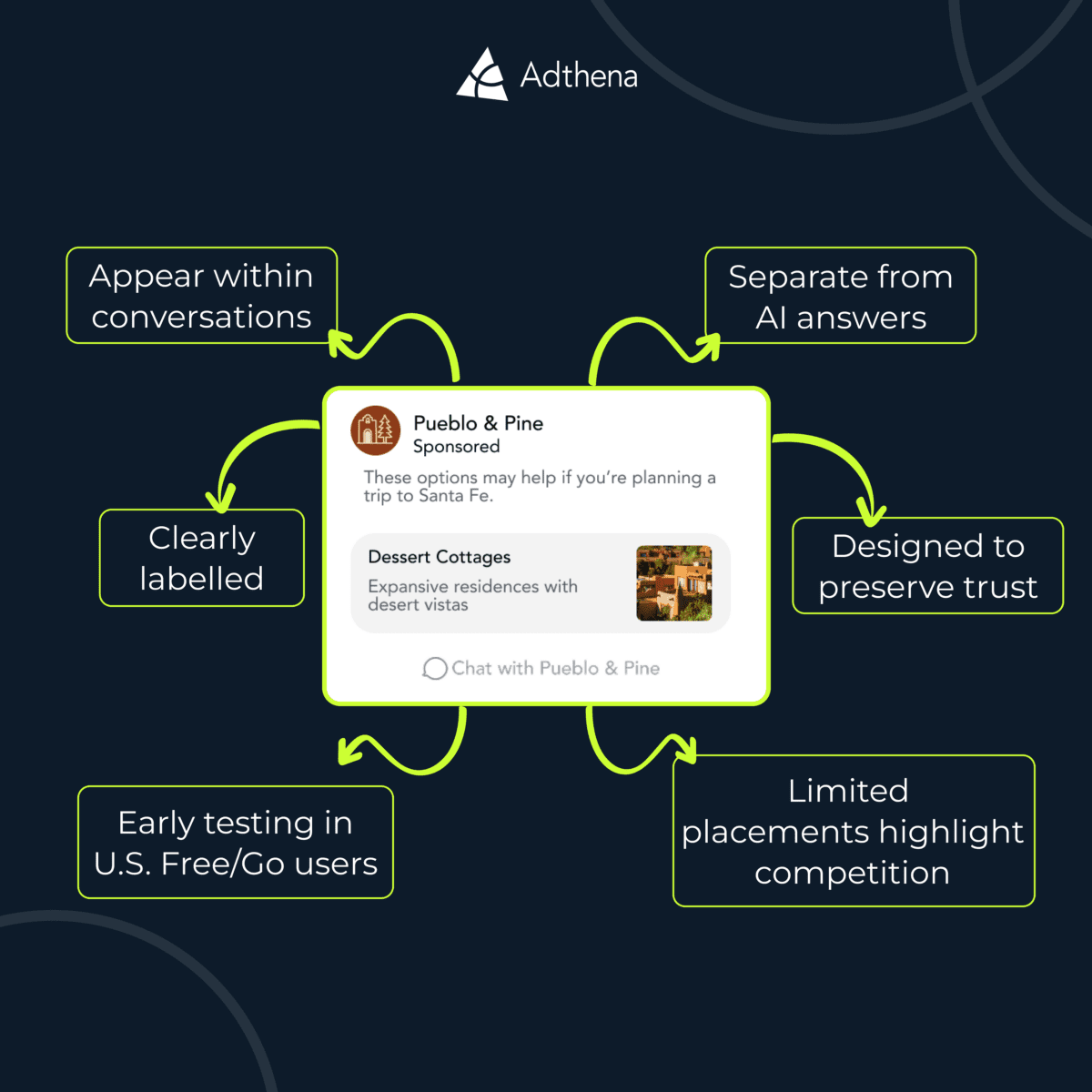
adthena's predictions on ChatGPT ads

Following the official launch of the ChatGPT ads trial this week, we’ve compiled a quick summary of Adthena’s insights regarding this new ad platform. These insights are based on feedback from some of our largest Enterprise brands who have been approached to participate in the trial. 

What we’ve learned from our enterprise clients in the ads trial

Restricted high stakes verticals

In this early alpha, certain “sensitive” sectors are strictly excluded. While Real Estate is permitted, categories like Finance and Health are currently ineligible to participate, ensuring the platform maintains a conservative stance on ads appearing next to regulated advice.

Targeting constraints and national scale

The current testing environment lacks granular controls. There is no geographic targeting below the national (US) level, no time of day scheduling, and notably, no daily budget caps, creating a “wild west” environment where budgets can be consumed rapidly.

Purely contextual, keyword-driven logic

At the heart of the alpha is an exact match keyword architecture. Ads only surface if a prompt contains a specific keyword defined by the advertiser, emphasizing immediate contextual relevance over historical user behavior.

Strategic conquesting opportunities

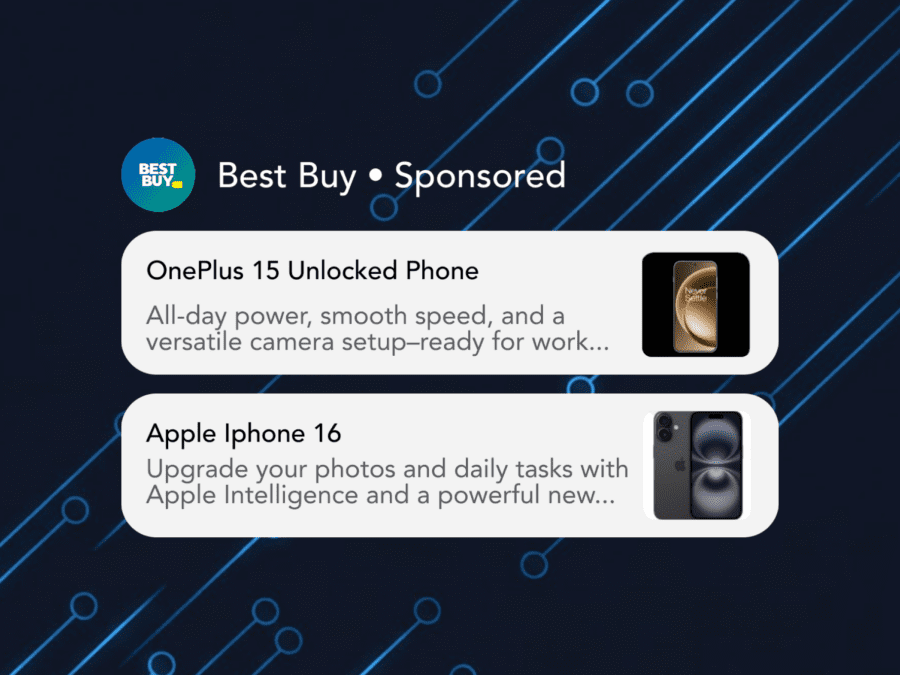
Advertisers are actively encouraged to bid on competitor brand names. Because many users use ChatGPT to compare products or services, these “comparison prompts” represent a primary battleground for early adopters to intercept high-intent shoppers.

Limited negative keyword guardrails

While advertisers can provide unlimited positive keywords to trigger ads, the platform currently limits negative keyword lists to a small number of terms. This requires brands to be extremely surgical in identifying the most critical “off limits” contexts.

Manual reporting and lack of UI

The alpha operates without a self serve dashboard or login interface. Advertisers are managed manually and receive performance data only once a week via a basic CSV file, limited to core metrics like campaign name, impressions, and clicks. 

Zero impact on AI model responses

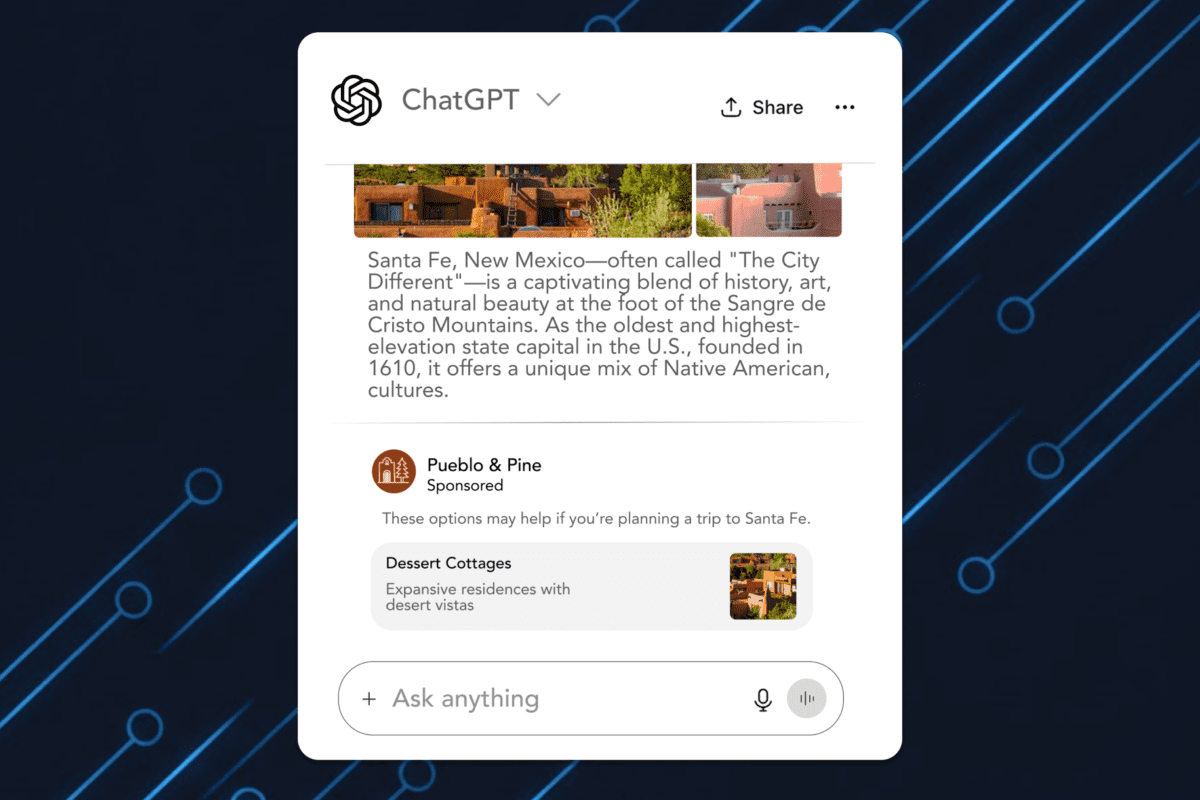
To maintain user trust, the platform has established a firm wall between advertising and intelligence; brand spend does not influence the organic AI response, and ads are clearly separated and labeled below the generated text.

Based on these early conditions, this post brings together advertiser pain points and five predictions on where clarity will be most urgently needed as brands prepare to test, learn, and compete in a fundamentally new AI-driven landscape.

1. $60 CPM will force advertisers to demand context, not just reach

At a $60 CPM, advertisers won’t tolerate buying blind impressions. The immediate pain point won’t be cost alone, but lack of context: where ads appeared, what the surrounding response looked like, and how close the user was to a commercial decision. Understanding the entire conversational ecosystem where ads surface will become critical to sustaining spend. 

Another possibility is that ChatGPT will either decrease the CPM or alter it over time for specific categories. We anticipate that they will aim to attract a broad range of advertisers across numerous categories. As they gain insights into which categories are over or under priced, they will adjust the CPM accordingly (lowering or raising it from, for instance, a $60 baseline).

2. Limited reporting will shift pressure outside the platform

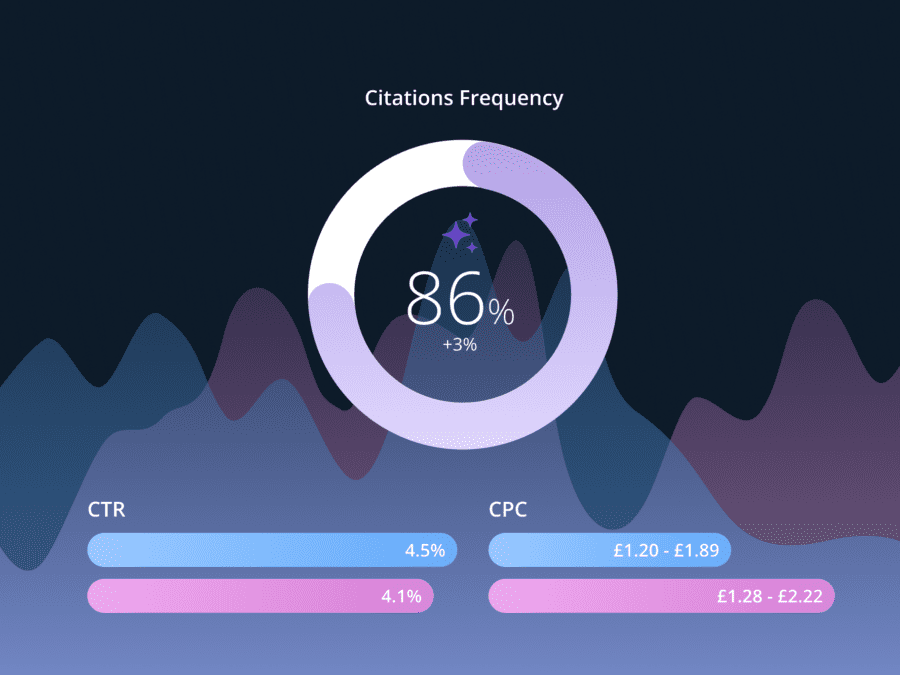
With early reporting limited to impressions and clicks, advertisers will quickly hit a ceiling on what OpenAI provides natively. The real pressure will shift to external intelligence to answer basic questions: who else is showing up, how often, and in which categories or prompt types.

Whole market visibility will be the only way to benchmark performance when platform level transparency is thin.

3. Advertisers will struggle to prove incrementality

At premium CPMs, “nice exposure” won’t be enough. Advertisers will need to understand whether ChatGPT ads are incremental or simply intercepting demand that would have surfaced elsewhere.

Without prompt level insight or ecosystem-wide comparison, brands risk overpaying for awareness they can’t connect to downstream impact. 

4. Pivoting back to keyword led campaigns will help provide stability

Based on early trialist feedback so far, brands have been asked to provide a set of most popular keywords, which will then feature in prompts triggering ads. What isn’t understood at the moment is what else could feature in a prompt, including that keyword, which may or may not cause it to trigger, insight Adthena will be providing.

This will bring a further need for clarity and analysis of full prompt behaviour to understand intent or where the user may be in their buying journey. 

5. Premium pricing will accelerate demand for market level intelligence

High CPMs combined with limited in-platform insight will push advertisers toward tools that can reconstruct the market from the outside. Understanding where ads appear, how often, who dominates visibility, and how conversational intent evolves will become table stakes.

Platforms like ChatGPT may own the inventory, but intelligence providers will own the understanding that makes that inventory investable. 

Tracking ChatGPT ads: Insights and upcoming reports

The ChatGPT ads trial represents a genuinely new frontier for paid search, not just another placement, but an entirely different decision making environment. Early testers are navigating high costs, limited controls, and minimal reporting, all while being asked to justify spend in a channel that looks nothing like traditional search.

To help advertisers navigate this new ecosystem, Adthena is now actively collecting ChatGPT Ads data to provide insight into visibility and competitive dynamics. New reports and analysis, including our LLM Landscape and LLM Performance insights, are coming soon, designed to give marketers the intelligence they need to optimize in this evolving AI-driven ad environment.

For those who want early access and updates, you can join our ChatGPT ads waitlist.