Observation won’t cut it anymore. To turn Google Ads AIO performance into measurable results, you need to act. Here are five tactical adjustments to make right now.
AI Overviews are reshaping Google Ads performance. Here are five tactical adjustments to help you stay visible, competitive, and converting.

Observation won’t cut it anymore. To turn Google Ads AIO performance into measurable results, you need to act. Here are five tactical adjustments to make right now.
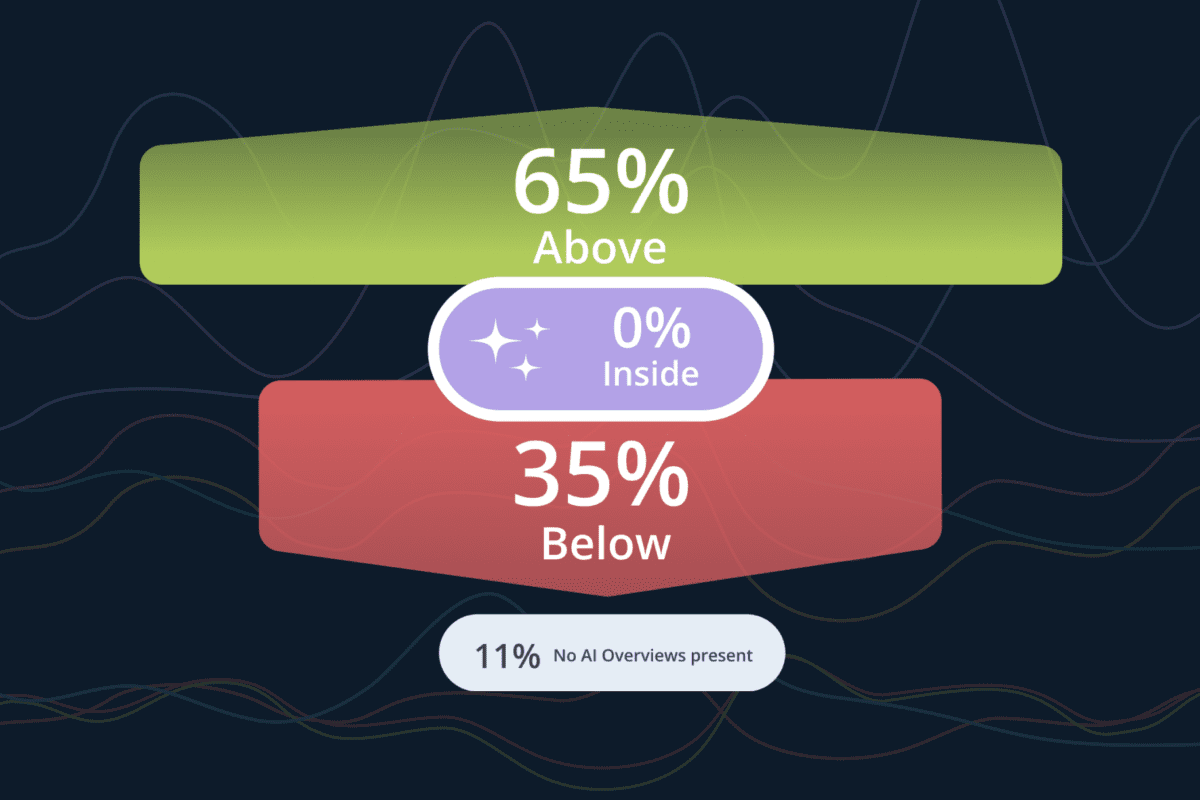
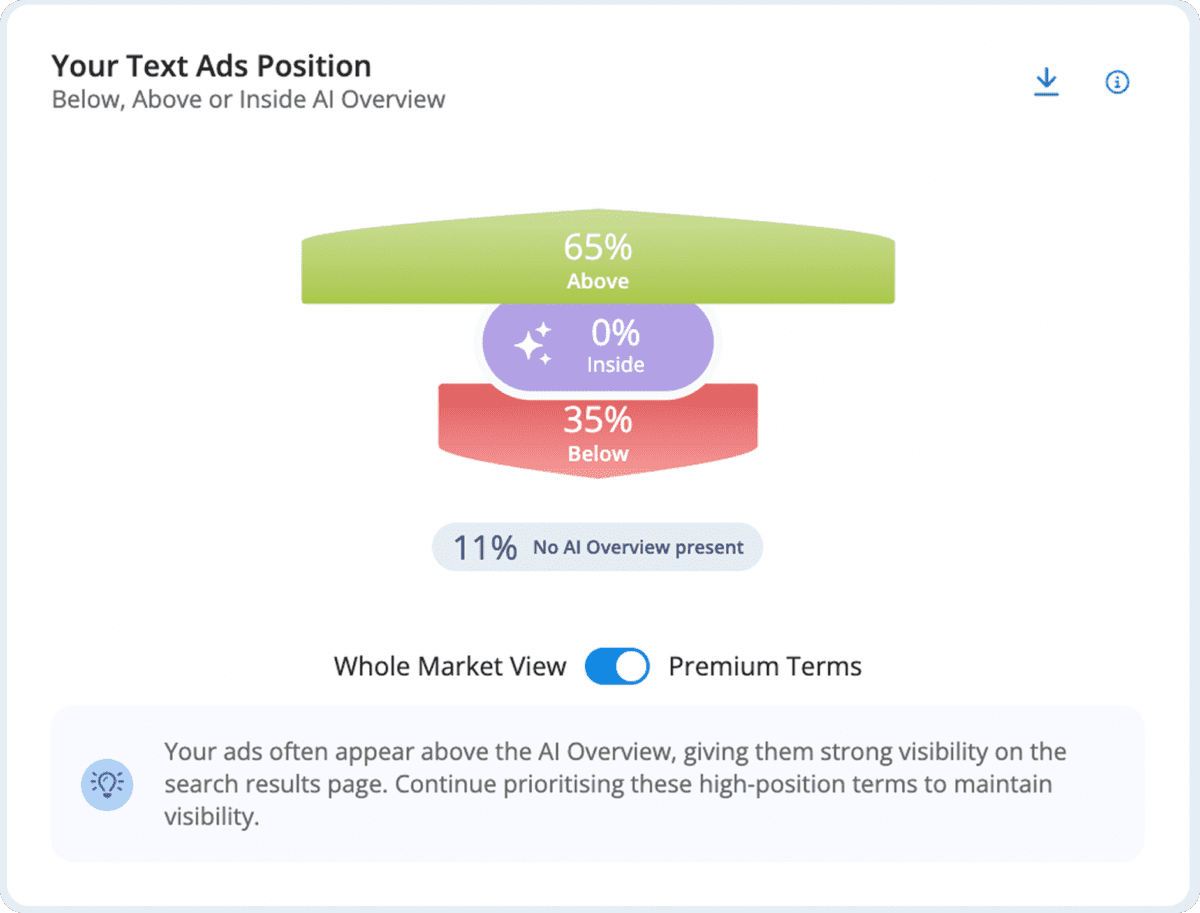
Traditional bidding focuses on SERP rank, but in 2026, the critical metric is your position relative to the AI Overview (AIO).
For high-value transactional terms, increase bids aggressively on queries where your ads currently sit above the AIO. This interception approach captures users before they settle into the AI’s research-heavy summary.
On queries where your ads are pushed below the AI, which is common in Healthcare, don’t just pay more. Switch to a Target CPA or Maximize Conversion Value strategy instead. This tells Google’s AI to only bid for the click if the user signals high conversion intent, rather than fighting for a hidden position.

Adthena’s AIO solution showing Text Ads Position below, above or inside AI Overview.
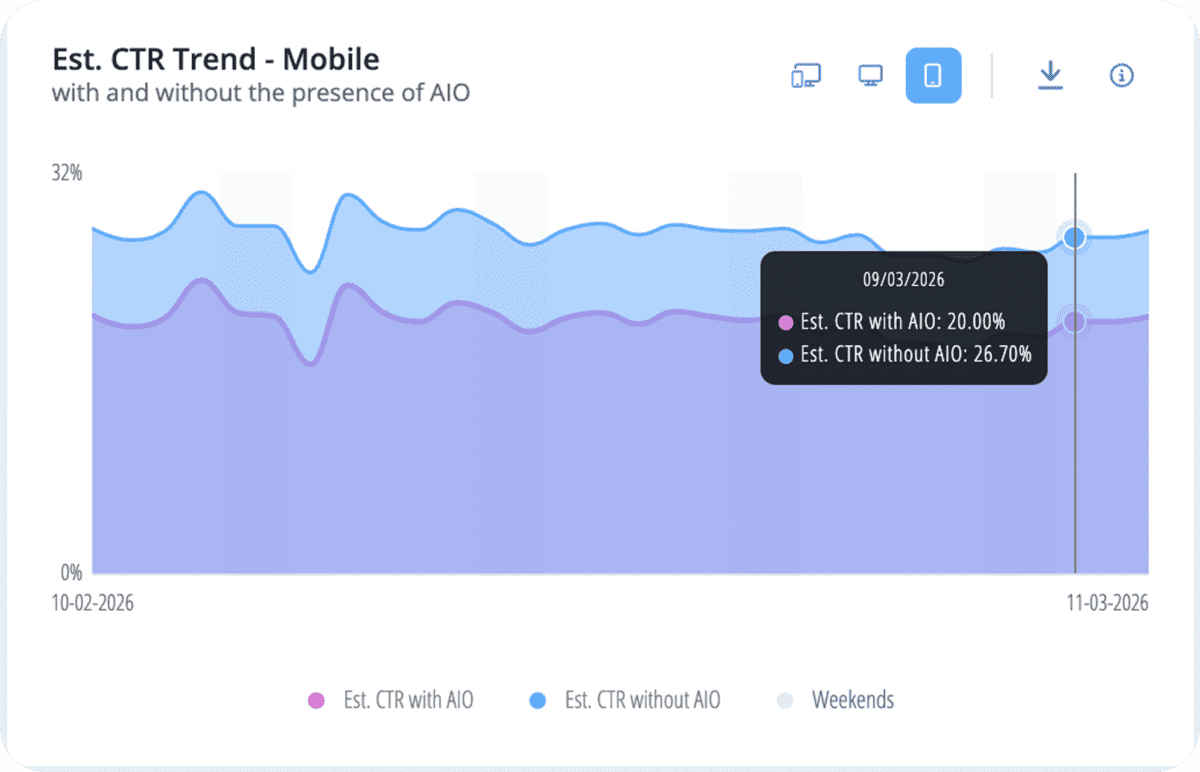
AIOs consume significantly more real estate on mobile than on desktop, often pushing ads entirely off the first fold. That’s a problem worth solving.
If AIOs are cutting your mobile CTR, test a negative bid adjustment for mobile on informational terms and redirect that budget toward desktop, where your ads have clearer visibility.

Adthena’s AIO solution showing est. CTR Trend – Desktop with and without the presence of AIO
Conversely, if you identify long tail queries where ads still beat the AIO on mobile, apply a positive bid modifier to lock in that rare, high visibility real estate.
Generic ad copy often mimics the same neutral tone as AI Overviews. The result? Your ads blend in. Here’s how to fix that.
If the AIO provides a factual summary, your headlines need to do something it can’t: provide a transactional hook. Think 12-Hour Flash Sale, Next Day Delivery, or Official Brand Site.
In sectors like Finance, use sentiment data from your AIO reports. If the AI is citing your brand favorably, include that specific reason for favorability, for example Rated #1 for Customer Trust, directly in your ad copy to reinforce the AI’s recommendation.
Standard exact match can be too restrictive when AI is changing how users phrase their research. Broad match, used smartly, closes that gap.
Use Broad Match specifically on Pillar keywords that trigger high AIO frequency. This allows Google’s AI to match your ad to the specific, complex conversational queries the AIO is answering.
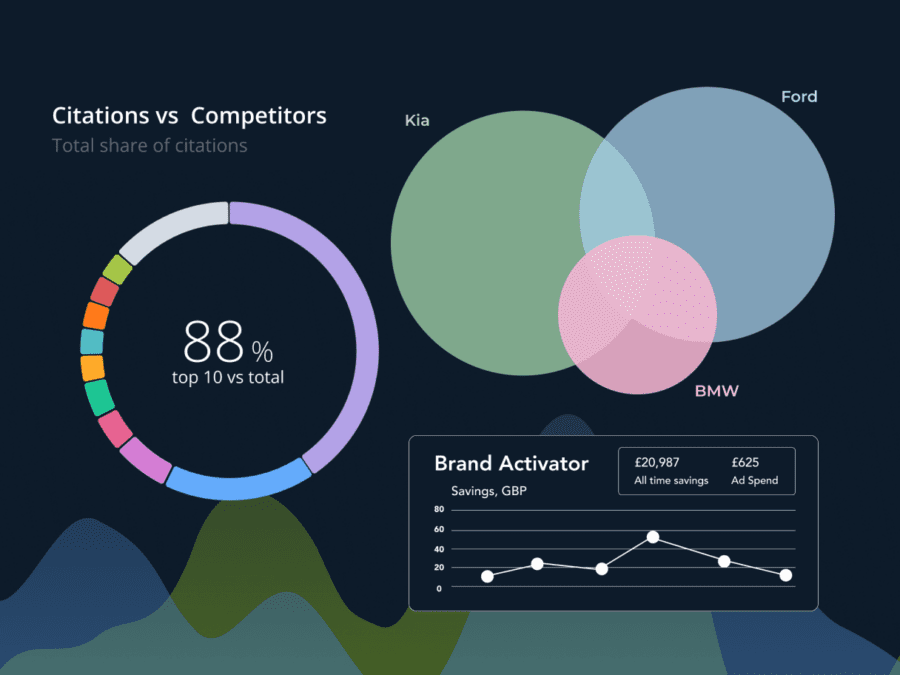
Use weekly AIO term reports to find Citation Gaps. If an AIO triggers on a query that’s purely informational with high spiral intent and yields zero conversions, add those specific long tail variations as negative keywords to stop budget bleed.
When traditional Search ads get suppressed by the AIO, Performance Max (PMax) is your safety net.
If your brand isn’t being cited in a key Travel or revenue-driving AIO, launch a PMax campaign targeting those specific audience signals. PMax will serve ads across YouTube and the Google Display Network, catching users’ attention even if they never click the Search result.
Use AI-generated image and video assets that match the intent of the AIO. If the AIO for your term is How-To focused, make sure your PMax assets are educational to maintain brand relevance within that search journey.
AI Overviews aren’t a passive backdrop to your paid search activity. They’re actively reshaping where your ads appear, how users engage with them, and which clicks you’re able to win. The advertisers seeing the strongest results are those who treat AIO data not as an observation but as an operational input, using it to inform bidding, structure device strategies, sharpen ad copy, refine keyword coverage, and extend reach through PMax.
Each of the five adjustments above reflects a specific way that AIO intelligence can close the gap between visibility and conversion. Taken together, they form a practical framework for protecting performance in a search landscape that continues to evolve around AI-generated responses.
The signal is clear: brands that move from awareness to action on AIO data are already making smarter decisions. The opportunity now is to embed that intelligence into campaign operations as a standard part of how paid search is managed.
Want to see how your ads stack up against AIOs? Book a demo with our team and we’ll show you exactly where AIOs are impacting your Google Ads performance and what to do about it