Paid search has never been more complex. AI is reshaping the SERP, competition for above-the-fold space is intensifying, and budgets are under tougher scrutiny.
This guide busts seven persistent PPC myths with data and gives you clear, practical steps to protect ROI.
Published by Sarah MasonOctober 22, 2025
Share Resource
The world of paid search has never been more complex. AI is reshaping the SERP, competition for above-the-fold real estate is intensifying, and budgets are under more scrutiny than ever. Yet despite all of this change, the same PPC myths continue to circulate leading marketers straight into wasted spend, missed opportunities, and poor ROI.
Consider this your PPC Survival Guide. We’ll tackle seven common myths, show you the data that busts them, and equip you with the strategies you need to thrive in PPC.
Myth #1: "Nobody clicks on ads anymore"
The Reality: People are definitely clicking ads, especially when they’re ready to buy something.
What the data shows: The average search CTR across thousands of accounts hit 6.66% in 2025, with many industries seeing 8-13%. That’s millions of potential customers you’re missing if you buy into this myth.
What you should do:
Write ads that match what people are actually searching for
Compare your performance against actual industry benchmarks rather than anecdotal assumptions
Use competitive intelligence to see which competitor messages are winning click share and adapt accordingly
Pro tip
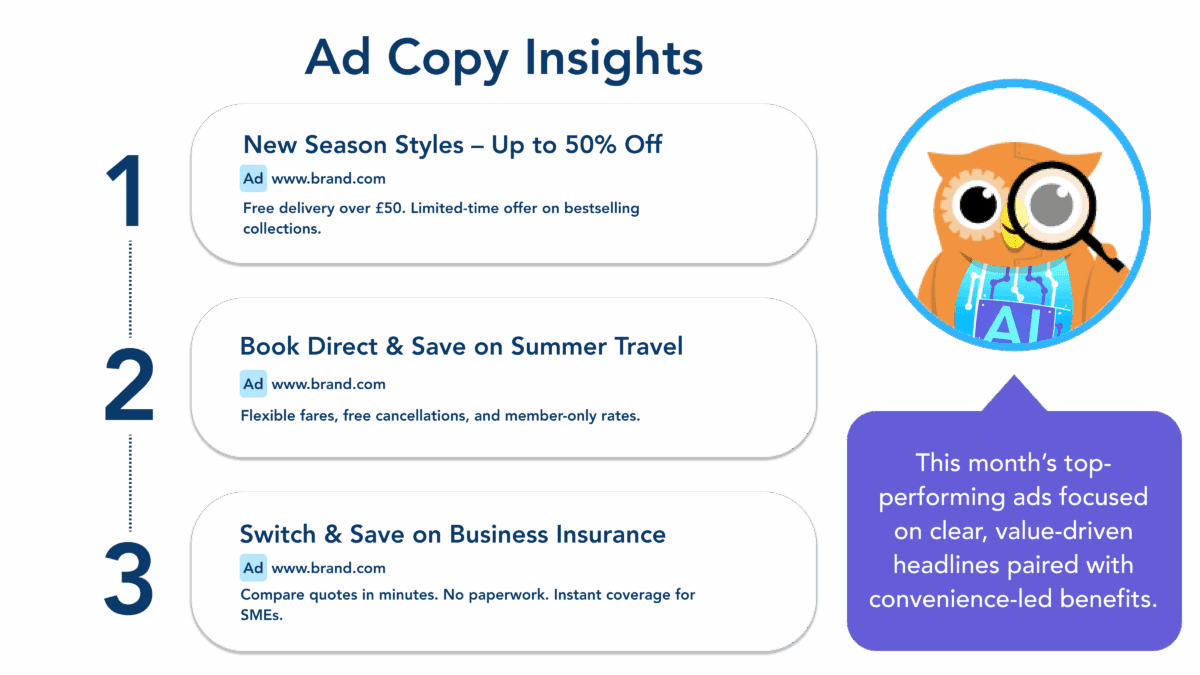
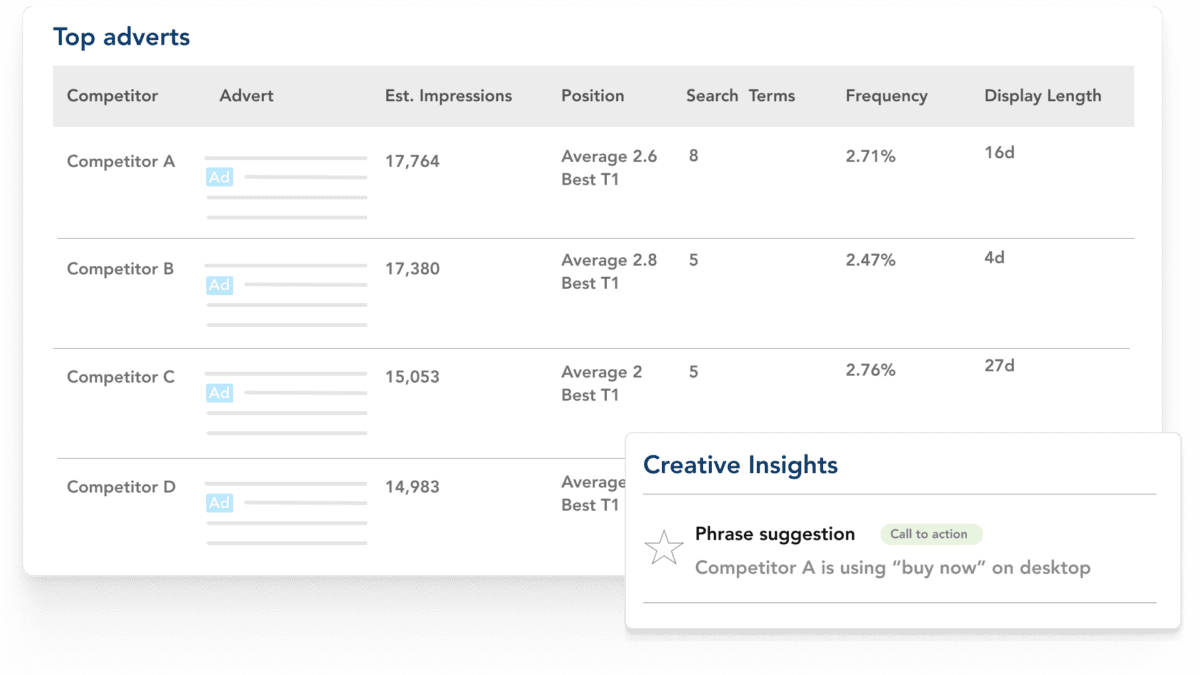
Use Adthena’s Ad Copy Insights to pinpoint which competitor angles (price, delivery, social proof, urgency) are actually winning click share in your category.
Myth #2: "AI will replace search, so PPC is dead"
The Reality: AI is changing how people search, not replacing search altogether.
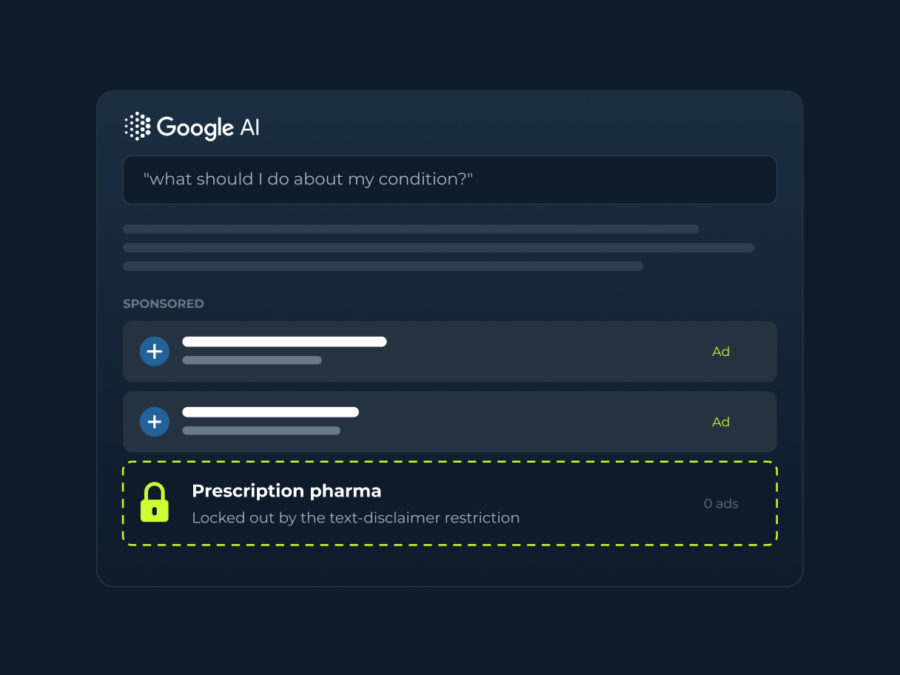
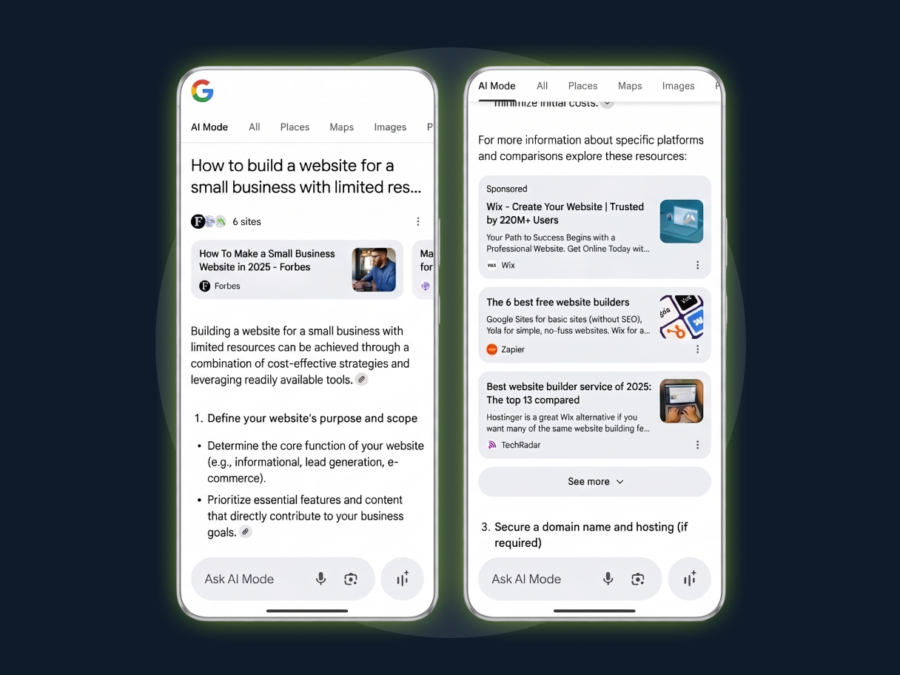
AI Overviews (AIOs) are now a permanent feature of Google’s results pages, and ads are being integrated directly into these experiences. Google places search and shopping ads above, within, and below AIOs when relevant, creating new, monetized inventory rather than removing it. This is an evolution of PPC, not the end of it.
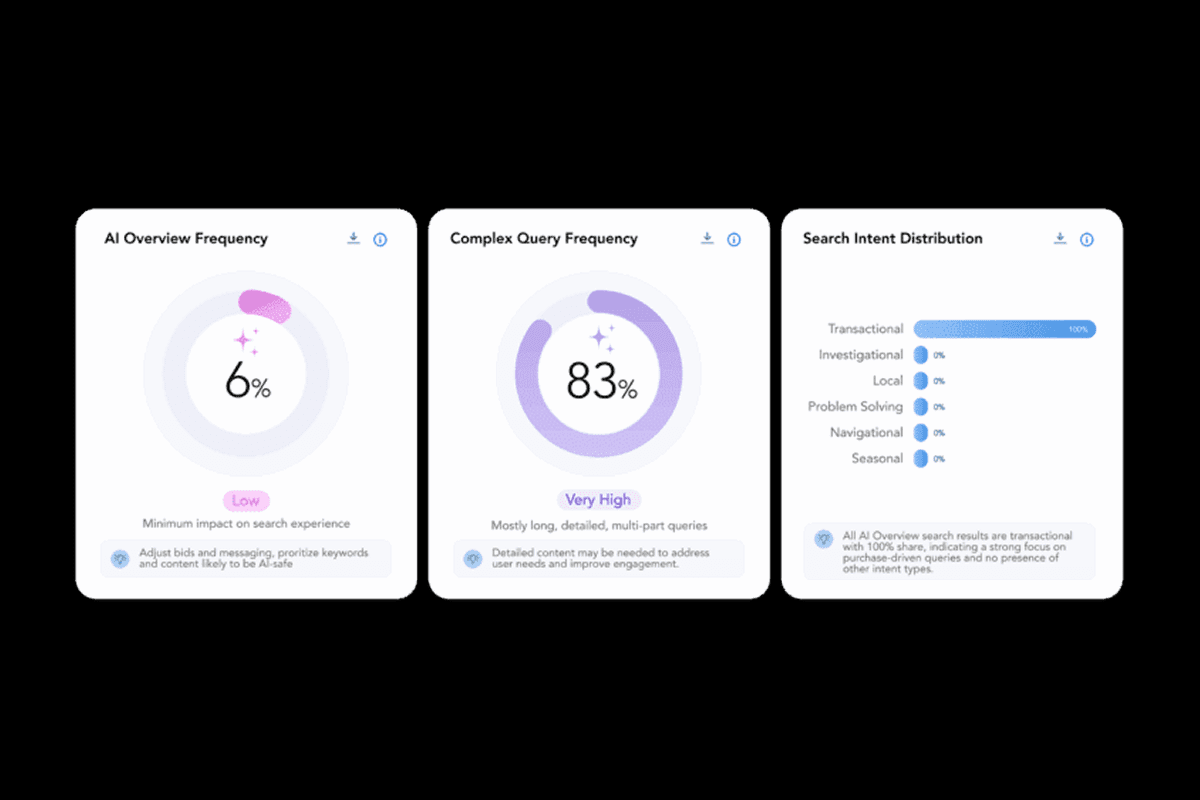
What our data shows: In Adthena’s AI Overviews study of 10.4M SERPs across US, UK, AU, and EU, AIOs skew heavily by query type and industry. Longer-tail queries are far more likely to trigger AIOs.
Healthcare sees AIOs on ~50% of searches (and ~40% of branded queries)
Finance on 29.2% of generic searches (none on brand)
Retail (7.8%) and Travel (4.6%) are less affected and mostly on generic terms.
This means that where and how AIOs appear and where ads are displaced depends on your category and intent mix.
What you should do:
Maintain strong search coverage while optimizing content to be citable in AI surfaces.
Track where AIOs appear in your category and how ad placements shift.
Pro tip
Use Adthena’s AI Overview Dashboard to monitor your brand’s performance in Google’s AI Overviews in real time. See when your brand appears, how often competitors are surfaced, and where ad visibility is shrinking or expanding. These insights help you adapt creative, bidding, and content strategies to stay visible as AI reshapes the SERP.
The reality: Google’s AI Max for Search Ads isn’t a budget black hole, it’s a smarter evolution of search automation. Powered by machine learning, AI Max evaluates hundreds of real-time signals like query context, audience, device, and location to predict which auctions you’re most likely to win profitably. It’s built to extend reach intelligently, not recklessly.
What the data shows: According to Google, campaigns using AI-driven matching see around 10% more conversions or value at the same ROI compared to legacy keyword setups. When paired with Smart Bidding and clean conversion data, AI Max can uncover incremental demand that older match types simply missed.
What you should do
Deploy AI Max for Search Ads on campaigns with strong conversion data and clear performance goals.
Combine AI Max with Smart Bidding to let Google’s algorithms optimize for profitability in real time.
Use brand inclusions and exclusions to manage brand visibility and prevent overlap across your campaign types.
Pro tip
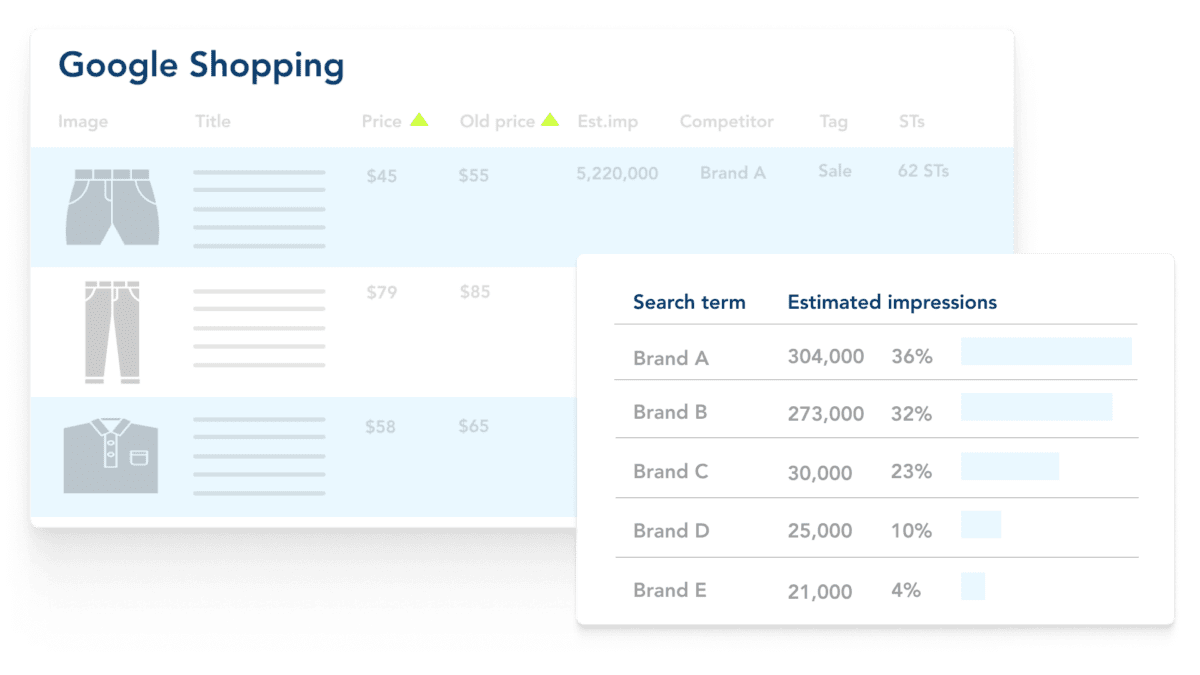
Use Adthena’s Whole Market View to identify high-intent query clusters where AI Max can unlock profitable new traffic. Then monitor where competitors are gaining click share to guide automation toward the most valuable opportunities without driving up CPA or ROAS.
Myth #4: “Bidding on my brand is a waste, organic will capture it”
The reality: If you don’t defend your brand terms, competitors can and often will buy them. Competitors are legally allowed to bid on your brand keywords in most regions (with limits on using trademarks in ad copy), meaning a rival can sit above your organic result and intercept high-intent traffic right at the point of conversion.
Your brand terms aren’t just part of your awareness strategy they’re a critical point in the conversion funnel. If you’re not protecting and guiding that final click-through, you risk losing the customer at the exact moment they’re ready to buy. That’s why always-on brand monitoring is essential for maintaining control over your most valuable traffic.
What the data shows: Google’s long-running Search Ads Pause meta-analyses reveal that when brand ads are paused, organic doesn’t fully recover the lost clicks, many of those ad clicks are incremental.
What you should do
Segment campaigns clearly: apply Brand inclusions to your brand campaigns and Brand exclusions to Generic or Performance Max campaigns to avoid overlap and misattribution.
Regularly audit the SERP for brand infringements and shifts in competitive bidding activity. Use data to determine where defending your brand terms actually drives incremental value.
Pro tip
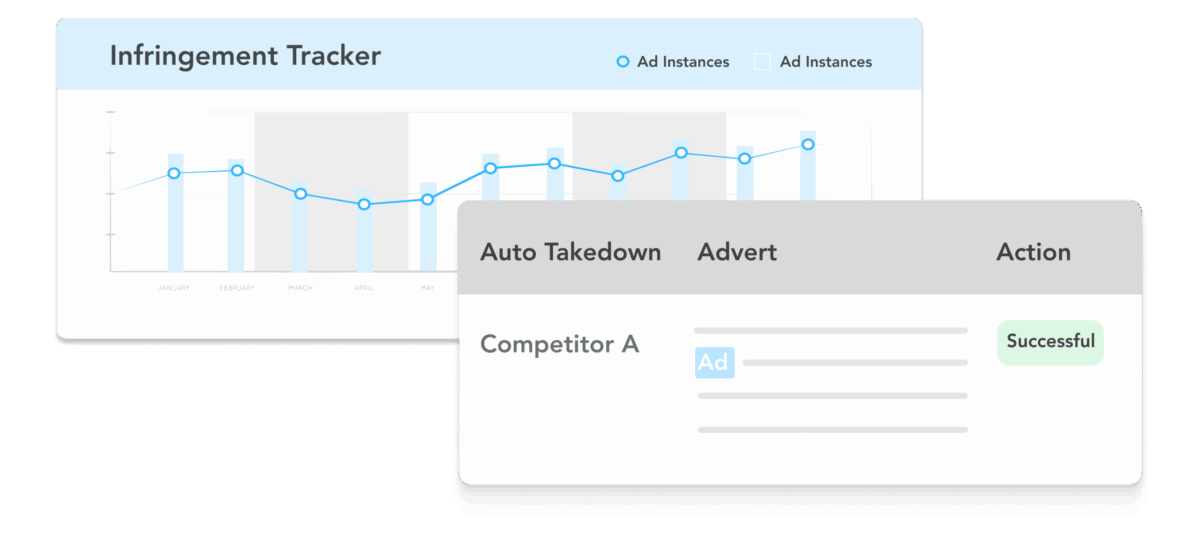
Use Adthena’s Infringement Tracker to flag unauthorized trademark use in ads and file takedowns (which can reduce competition and lower CPCs). Then track your paid click share on brand with Adthena’s Market Share insights and tune headlines/assets with Ad Copy Insights, so you defend only where it pays and prove it with data.
Myth #5: “Highest bid always wins”
Reality: Google doesn’t hand the top spot to the biggest wallet. Ad Rank decides who shows and where. Your bid plus auction-time quality (expected CTR, ad relevance, landing-page experience), along with thresholds, competitiveness, and context determines a winning strategy. That’s why high bids with weak quality lose, or pay more.
What you should do:
Focus on Quality Score drivers: ad relevance, expected CTR, and landing page experience.
If you need more prominence, raise bids or improve quality. Add useful assets such as sitelinks and callouts, as their expected impact can boost Ad Rank.
Pro tip
Use Adthena’s Ad Copy Insights to see not only which competitor angles (price, delivery, social proof, or urgency) are winning click share, but also where their ads actually appear on the page. Because Adthena uses observed SERPdata, it can show you your true ad position and visibility, these are insight you won’t get from Google Ads alone. With this level of precision, you can refine creative, bid strategies, and landing experiences to outperform competitors exactly where it matters most.
Myth #6: “PMax is set-and-forget”
The reality: Performance Max (PMax) is Google’s AI-powered, cross-channel campaign type; powerful, but not autopilot. Left unchecked, it often optimizes for the easiest conversions (e.g., branded traffic), inflating results while adding little net-new growth. Google’s newer brand exclusions and channel performance reporting help, but “set-and-forget” is how you end up paying twice for customers who were already yours. Use the new reports to see where wins are truly coming from (vs. recycled demand).
What you should do
Use brand exclusions to stop PMax from competing with your dedicated brand campaigns for customers already looking for you
Dig into channel performance reporting to see where PMax is actually finding new customers versus recycling existing demand.
Run geo/time-based holdout tests to prove it’s driving incremental business, not just attribution shuffling. (Best practice echoed in Google’s help + GML updates.)
Pro tip
Use Adthena’s Whole Market View to identify high-value query themes where competitors are winning market share that your PMax isn’t capturing. This helps steer automation toward genuinely incremental opportunities while providing granular query cluster analysis that fills PMax’s remaining visibility gaps.
Myth #7: “Position #1 is the goal”
The reality: The “#1 position” doesn’t even exist as a metric anymore. Google retired average position years ago and replaced it withtop impression share and absolute top impression share, which are much better indicators of actual visibility.
Here’s the thing: obsessing over that absolute top spot often destroys your ROI. Smart marketers focus on the right impression share at the right cost, not vanity placement.
What you should do
Optimize for profit first by letting your target CPA or ROAS guide your bidding, then use impression share data to spot opportunities where higher visibility actually pays off.
Trust Smart Bidding’s judgment since the algorithms are pretty good at knowing when that top slot is worth the premium and when it’s just expensive.
Focus on fundamentals by putting your energy into ad quality and comprehensive market coverage rather than position wars
Pro tip
Use Adthena’s observed SERP data to see your actual ad position and click share vs. rivals by query theme. If a competitor’s click share spikes while your costs rise, it’s a clear sign you’re overpaying for position instead of driving profitable revenue. With Adthena, you can see exactly where your ads appear on the page, how often competitors outrank you, and where it’s smarter to hold position. Sometimes the winning move is letting rivals burn budget on top slots while you capture profitable traffic just below them.
Your PPC survival plan: What to do next
The PPC landscape will only get more complex in 2026, but armed with data-driven strategies instead of myths, you’re positioned to thrive. Here’s your action plan:
This month:
Audit your current campaigns against these seven myths. Which ones have been quietly sabotaging your performance?
Pull your CTR benchmarks and compare them to industry standards. You might be performing better than you think.
Check if competitors are bidding on your brand terms and set up proper brand defense if needed.
Test broad match + Smart Bidding on a small segment of your best-performing campaigns
Implement brand exclusions in your Performance Max campaigns to stop traffic cannibalization
This quarter:
Develop a comprehensive competitive intelligence strategy to stay ahead of market shifts
Create holdout tests to measure the true incrementality of your campaigns
Build processes to monitor and adapt to AI’s evolving impact on your industry’s search landscape
The marketers who survive and thrive in 2026’s PPC environment won’t be the ones clinging to outdated assumptions. They’ll be the ones embracing data, testing relentlessly, and adapting quickly to new realities.
Don’t let these myths cost you another dollar. Your competitors are counting on you believing them.
Ready to myth-bust your PPC strategy? Book a demo with one of our search consultants to see where these misconceptions might be costing you market share.