ChatGPT ads in Europe: What marketers told us at AdWorld Bologna

Curious about the channel, wary of the numbers: notes from an hour with performance marketers in Bologna.

Ashley Fletcher round table | ChatGPT ads in Europe: What marketers told us at AdWorld Bologna

TL;DR

At Adthena’s ChatGPT ads round table at AdWorld Bologna on October 15, 2026, most marketers were curious about the channel and few trusted its numbers. Some are already setting aside 2027 budget, while those running campaigns saw in-platform conversions that GA4 couldn’t match. The advice from the table: pitch ChatGPT ads as a structured experiment, and validate tracking against your own analytics before scaling.

Published by Ashley Fletcher October 16, 2026

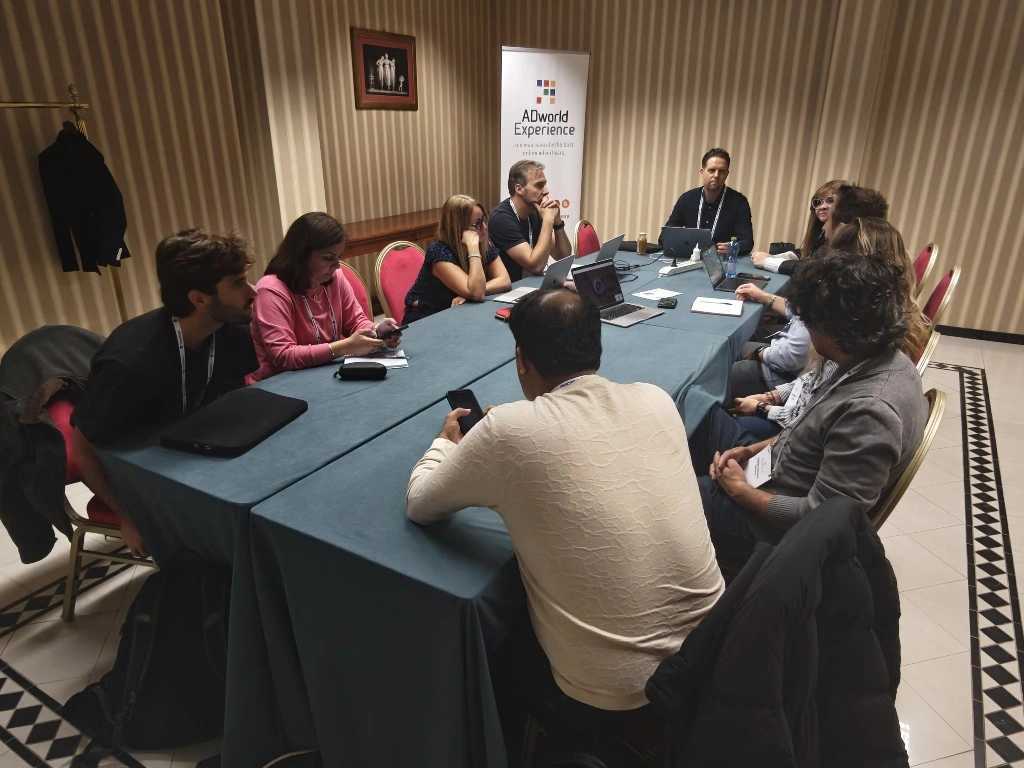
Three or four clicks. Seventy conversions. That’s what one agency owner saw in his ChatGPT ads dashboard, and GA4 told a very different story. On October 15, 2026, Ashley Fletcher, CMO at Adthena, chaired an hour-long session at AdWorld Experience with performance marketers and agency leaders from across Europe and beyond.

Who was in the room

The guests were:

Around half the table had opened an account without spending anything. A handful had live campaigns for retail and B2B software clients. That split made for a candid conversation, with the early adopters doing much of the talking about what they would change if they started again.

Budgets are moving before the proof arrives

Several guests are already setting money aside for 2027, some without having run a single campaign. One B2B SaaS advertiser expects ChatGPT to take 5 to 10% of total spend next year, most of it from paid search. His reasoning was simple: software buyers compare products at length and ask detailed questions before they commit, and he wants his brand present while they do.

Those already live are keeping their stakes small. An agency lead working in Switzerland said ChatGPT currently drives around 1% of client traffic, so test budgets sit at 5% of monthly spend or less. Much of the push comes from the top. Boards and CEOs want a presence, and for clients with very large budgets the debate is about relative performance across channels.

Some are holding back

Some are holding their ground. One freelancer said he could not justify moving money away from Meta, Google or TikTok during peak trading without a credible case study. An hour at the table had not changed his mind. Another consultant had spent months persuading clients to wait. He steered test budgets into content that answers the prompts customers actually ask, and only now feels he has run out of reasons to delay. Someone also made the fair point that a test needs a minimum spend to produce usable data, so 1% of a small budget may teach you very little.

Where it sits in the funnel

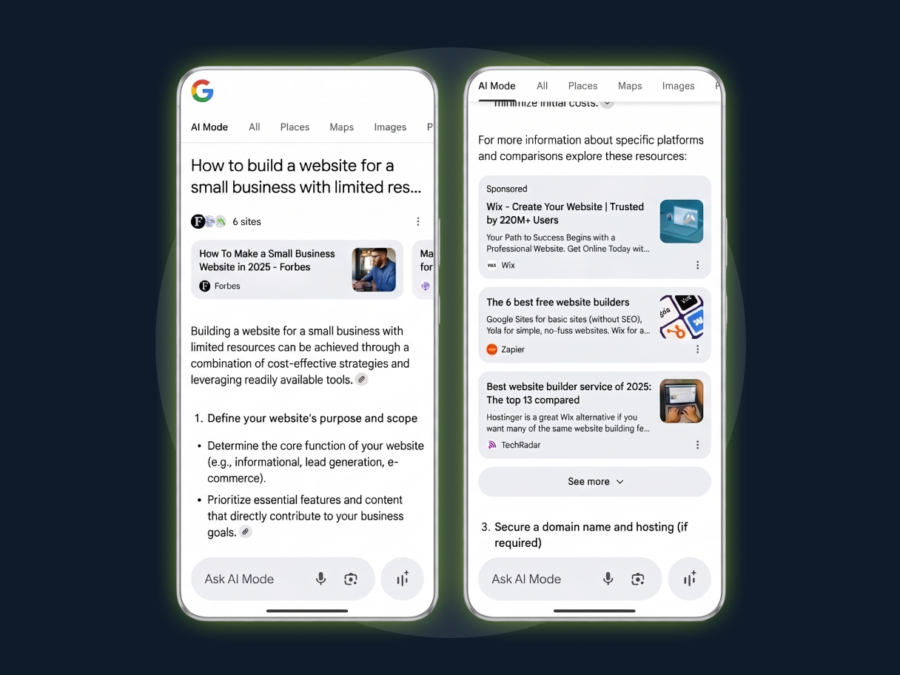
Nobody could place ChatGPT ads neatly. One performance freelancer described it as halfway between search and social, combining the intent of a question with ad formats that currently feel closer to display. An enterprise software marketer who has run campaigns since May treats it as a top-of-funnel channel and is focusing on audience fit. People expect a zero-click experience inside an assistant, she argued, so copying search habits across is a mistake.

The categories that came up most were considered purchases, where people research heavily before buying. Software, travel, insurance and mortgages all featured. Travel marketers in the room, competing with the big booking platforms for Tuscan accommodation, were interested in where in-chat booking could eventually lead.

Measurement is the sore point

Tracking produced the most frustration by far. One agency owner saw a product record three or four clicks alongside roughly 70 conversions in the ChatGPT interface. In GA4, with server-side tagging in place, the CPA looked four times worse than Google Ads. Another campaign showed 344 conversions at a 10% conversion rate in platform, and GA4 told a different story. Both teams paused to fix their foundations before spending more.

Lead quality raised similar doubts. A B2B marketer checked around 50 leads in Salesforce and found no pipeline attached, mostly small businesses that had been shown enterprise content. The response to leadership has been to report on visibility: the brand is now part of conversations it would otherwise miss.

Last-click undercounts the channel

One attendee said analytics credits around 15% of purchases to AI sources, while a separate attribution model puts it at 30 to 35%. Geo split tests appealed to several people, though targeting only goes down to country level for now, which limits them to big budgets or small markets. Another idea worth testing is whether ad spend correlates with stronger organic visibility and branded search.

Growing pains on the platform

Practical gaps came up repeatedly. Shopping feeds have no custom labels, so trimming a catalog means building separate feeds, and changes were slow to appear. There is no search term report, which means no negatives, and brands can still land next to unrelated conversations. Until that changes, ChatGPT ad tracking shows which prompts your ads actually appear on. Uploaded audiences were not performing for at least one market. Health and banking clients are still waiting for approval. A growth lead from India has struggled to run a US-facing account from an Indian entity.

On cost, guests shared CPMs of around 13 in a simulation of the Australian market and about 17 for online retail, with France similar. Several were struck by how quickly features are shipping compared with the early days of Google search ads, while reporting remains basic. One guest added that inventory may be released gradually by vertical, so strong demand in a category does not guarantee many impressions.

Watching competitors and other assistants

Everyone agreed they would want to learn from competitors’ mistakes in the channel, and that a rival spending heavily would change the budget conversation quickly. Talk also turned to other assistants. Developers may lean towards Claude, though nobody had seen signs of ads coming there, and Copilot was mentioned as worth watching given its share in the US. One guest asked for research showing assistant usage by vertical, so marketers can check their audience is actually on ChatGPT before testing.

What to take into your next budget meeting

The most useful advice from the table was about framing. Pitch ChatGPT ads as a structured experiment with clear boundaries, so the learning itself counts as a return and your credibility is not riding on a direct-response target. Get tracking validated against your own analytics before scaling, because in-platform numbers and GA4 rarely agreed for anyone in the room.

Bring your SEO team in from day one and research the prompts your customers use before you build campaigns. Judge results on more than last-click, whether through geo tests, attribution modelling or movement in branded search. And if you need a line for the board while the data matures, one guest offered a good one: the budget is putting the brand into brilliant conversations it would otherwise never join.

Thank you to everyone who joined us in Bologna. If you were there, or wish you had been, connect with Ashley on LinkedIn to keep the conversation going.

And if you want to see where your brand and competitors show up in ChatGPT ads today, start your free trial.

Related content