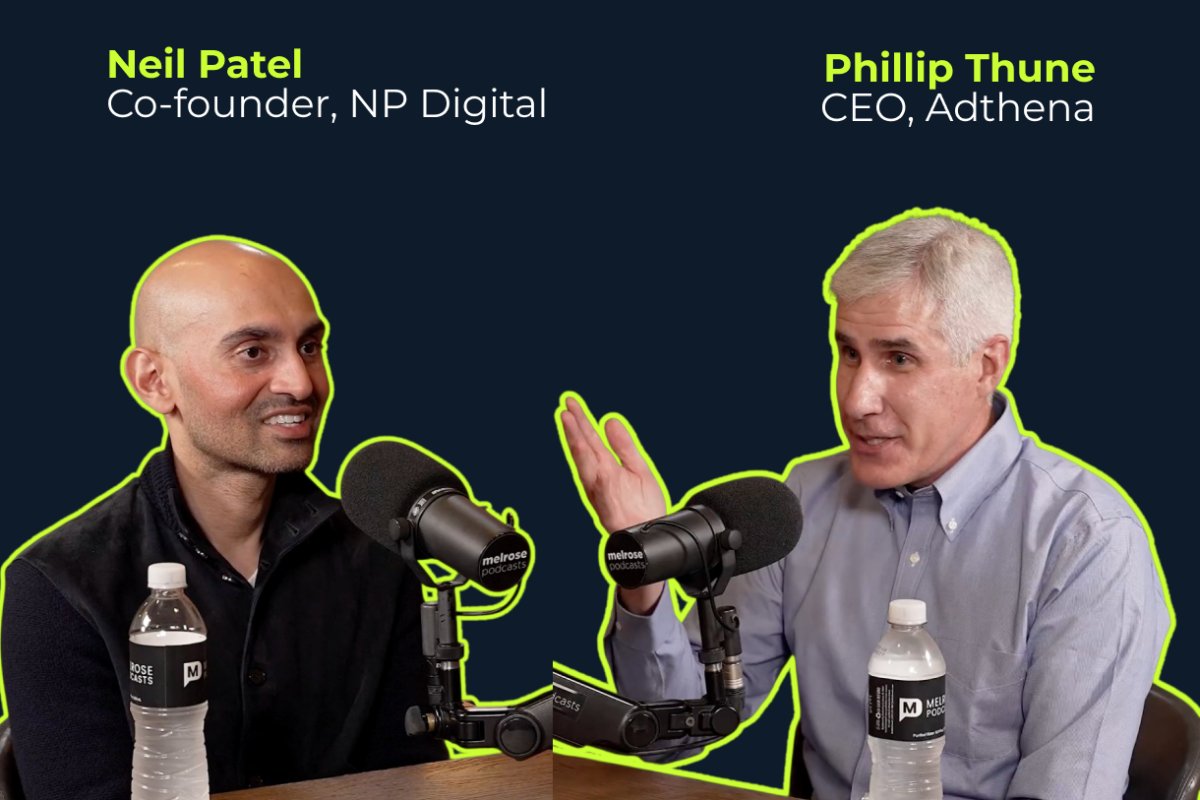
The AI agents conversation tends to focus on ChatGPT and OpenAI. But Neil’s prediction for the biggest shift by the end of 2026 isn’t about OpenAI at all.
The corporate world is already spoken for
Google and Microsoft have something OpenAI doesn’t: penetration into the corporate world at scale. Every company running G Suite is already a Google customer. Every business on Microsoft Outlook, Word, and Excel is already in the Microsoft ecosystem.
Neil gives a telling example from a conference he attended. A publicly traded real estate company was paying ChatGPT for customizations. OpenAI’s response: we don’t do this unless you’re spending at least $10 million a year. Then Google came in. The company asked about costs. Google’s answer: nothing. You’re already on G Suite, we’ll take care of it.
That’s the structural advantage in plain terms. Google can offer AI agents for free because it already has the relationship and the revenue. OpenAI has to charge because it doesn’t.
Free today, monetized tomorrow
The playbook is familiar. Offer it for free, build the installed base, then monetize. It’s exactly what Microsoft did with Teams. Teams wasn’t necessarily the best product, but it was free for existing Microsoft customers. It won enterprise adoption anyway.
Google and Microsoft are running the same play with AI agents right now. Organizations are going to accept it because they’re already integrated. And by the time those companies want to switch, the switching costs will be too high.
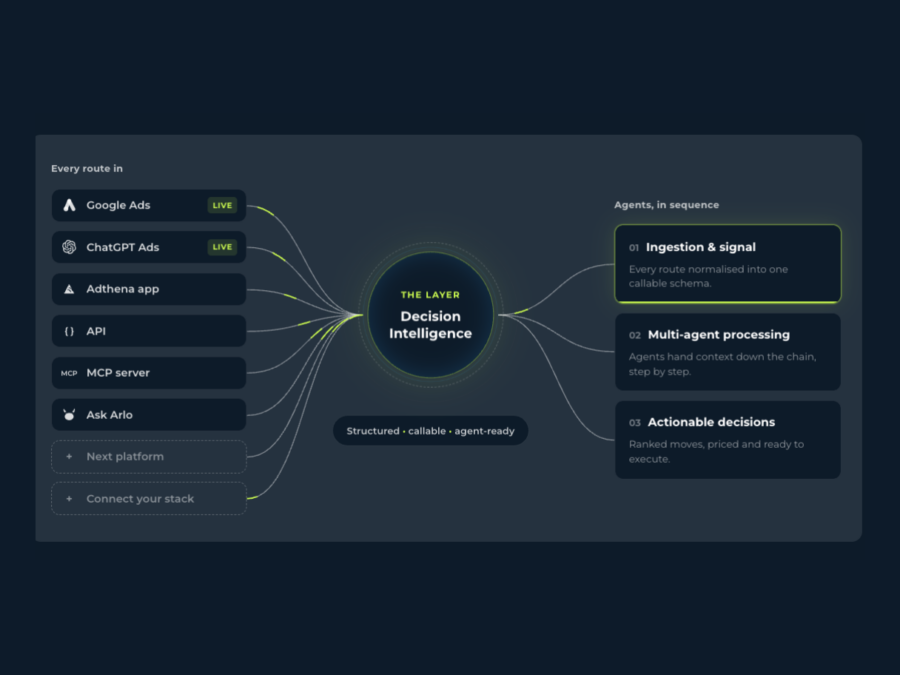
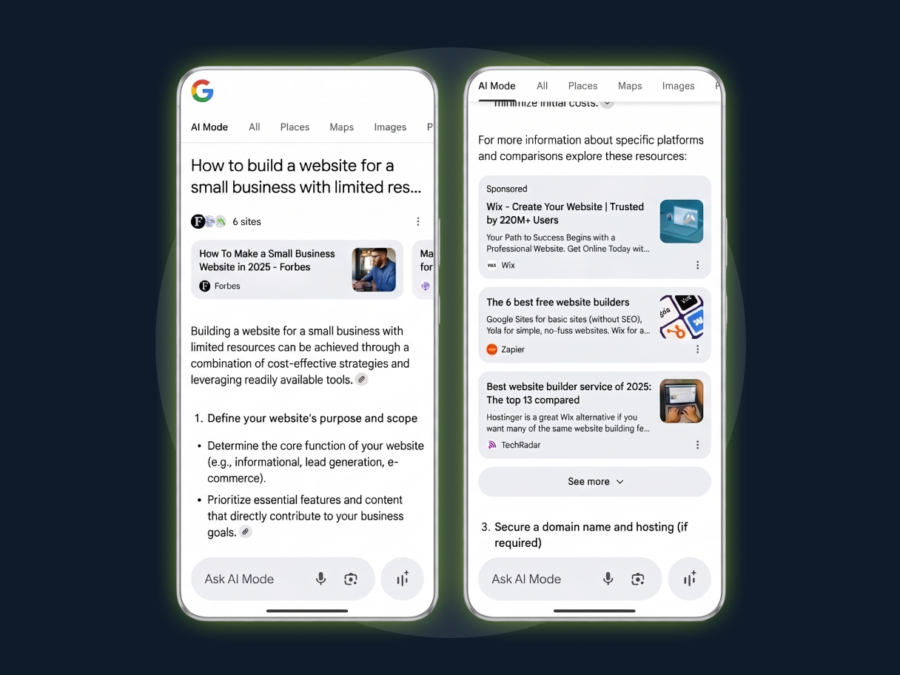
For paid search managers, this matters because the agent layer is going to be built on top of the platforms your customers already use daily.