The Great Search Shift, Episode 1: AI search advertising and why history repeats

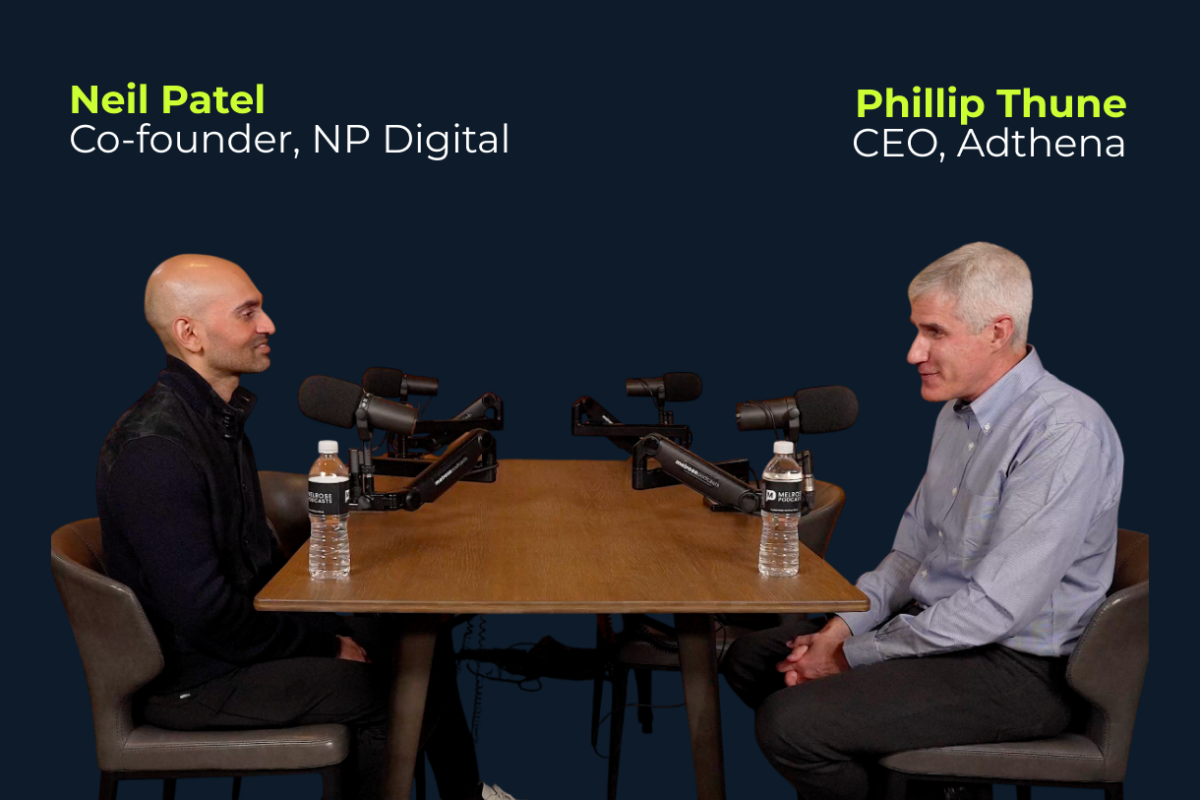
A conversation between Phillip Thune, CEO of Adthena, and Neil Patel, Co-founder of NP Digital. Watch Episode 1 now.

The Great Search Shift, Episode 1: AI search advertising and why history repeats with Neil Patel & Phillip Thune

TL;DR

The AI search landscape looks a lot like the early 2000s; too many players, consolidation coming, and platforms repeating the same retention moves Google and social media ran before them. Advertising in AI search isn’t a risk. It’s an economic inevitability, and history proves users don’t leave because of ads. The brands moving early into ChatGPT ads will be the ones writing the playbooks everyone else follows.

Published by Serra Hale May 05, 2026

Before Google dominated search, there was AltaVista, Lycos, Dogpile, and a scrappy pay-per-click engine called FindWhat.com. Before Sam Altman said ChatGPT would never run ads, Larry Page and Sergey Brin said exactly the same thing about Google.

History doesn’t repeat itself exactly. But in AI search advertising history, it rhymes loudly.

In Episode 1 of The Great Search Shift, Adthena CEO Phillip Thune and NP Digital founder Neil Patel draw on a combined 50 years in the search industry to map what happened then onto what’s happening now. Here’s what they found.

The platform retention play: we've seen this before

One of the earliest experiments in search wasn’t about finding information. It was about keeping users on-platform. Google tested insurance lead generation and airline ticket sales in its early days, hoping users would never need to leave to visit Kayak or Expedia.

Sound familiar? Instagram and TikTok now let users shop without ever leaving the app. ChatGPT’s partnerships with Shopify and Stripe follow the same logic. Keep the eyeballs, own the conversion, monetize the attention.

LLMs are simply the latest iteration of a strategy that’s decades old. The players are new. The playbook isn’t.

Too many players, not enough room

Cast your mind back to the early 2000s. AltaVista, Lycos, Ask Jeeves, Yahoo, Metacrawler, Dogpile. A crowded, chaotic market that eventually consolidated around one dominant force. By 2005 or 2006, most of those names had faded into irrelevance.

Today’s AI search advertising landscape looks remarkably similar. ChatGPT, Gemini, Perplexity, Claude, You.com. The list keeps growing. As Phillip puts it: “I just can’t imagine there’s a place for consumers to have Grok and Perplexity and Claude and ChatGPT and Gemini. Too many.”

The difference this time? Governments are paying attention in a way they weren’t in 2001. The EU and US are far more aggressive on acquisitions and monopoly concerns, which means the consolidation, when it comes, may look different. But consolidation, both Phillip and Neil agree, is coming.

Is AI search advertising actually inevitable?

Yes. And here’s why.

It costs hundreds of billions of dollars to run large language models. Most users aren’t willing to pay a subscription fee to avoid ads. YouTube has offered that option for years and the numbers show it simply doesn’t scale. As Neil puts it: “People can say they hate ads, but the majority are not willing to pay to not have them.”

The economics leave no other path

Google figured this out. Facebook figured this out. ChatGPT is figuring it out now. The platforms that resist advertising always end up running it, because the economics leave no other path.

It isn’t a question of whether these platforms will commercialize. It’s when, and how fast.

If you want to understand what’s already showing up in ChatGPT ad placements, we’re tracking it in real time.

Gemini's quiet advantage

One of the sharper points in Episode 1 is about Google’s Gemini and why it sits in a uniquely comfortable position in the AI search race.

Why Google can afford to wait

Google’s profitability, running at an estimated $140 billion a year, means it can afford to give Gemini away for free for as long as it takes to build a dominant user base. It doesn’t face the same immediate monetization pressure as OpenAI. It already has Android. It already has Apple distribution. It can wait.

Neil draws a direct parallel to Microsoft Teams, a product many considered inferior to Slack, yet one that won enterprise adoption simply because it was free. “Free is a great way to penetrate,” he notes. “Then eventually they figure out how to charge.”

For paid search marketers, this has real implications for where AI search advertising inventory actually develops, and at what pace.

Do ads kill platforms? The data says no

There’s a persistent narrative that introducing ads into AI search will degrade the experience enough to drive users away. Phillip and Neil aren’t buying it.

Users stay. History proves it.

The evidence doesn’t support it. Facebook introduced ads. Instagram introduced ads. Google built an entire business on ads. All three remain dominant, well-used platforms. ChatGPT introduced ads earlier this year and users are still choosing it over ad-free alternatives.

“Claude has no ads,” Neil points out. “Yet the majority of people still use ChatGPT.”

Ad quality in AI search is a legitimate concern. But the idea that ads alone will cause users to abandon a platform they find genuinely useful? History says otherwise. For a deeper look at how ads in AI search are already playing out, we’ve covered the key takeaways from the front line.

What this means for your Q3 strategy

Episode 1 is the context that makes Episodes 2 and 3 make sense. But there are practical takeaways for anyone running paid search budgets today.

Move early, or follow later

The patterns from the early days of search advertising are reasserting themselves. Platform consolidation is coming. Monetization through advertising is inevitable. And the brands that engage early, while CPMs are low and competition is thin, are the ones who’ll define the playbooks everyone else follows.
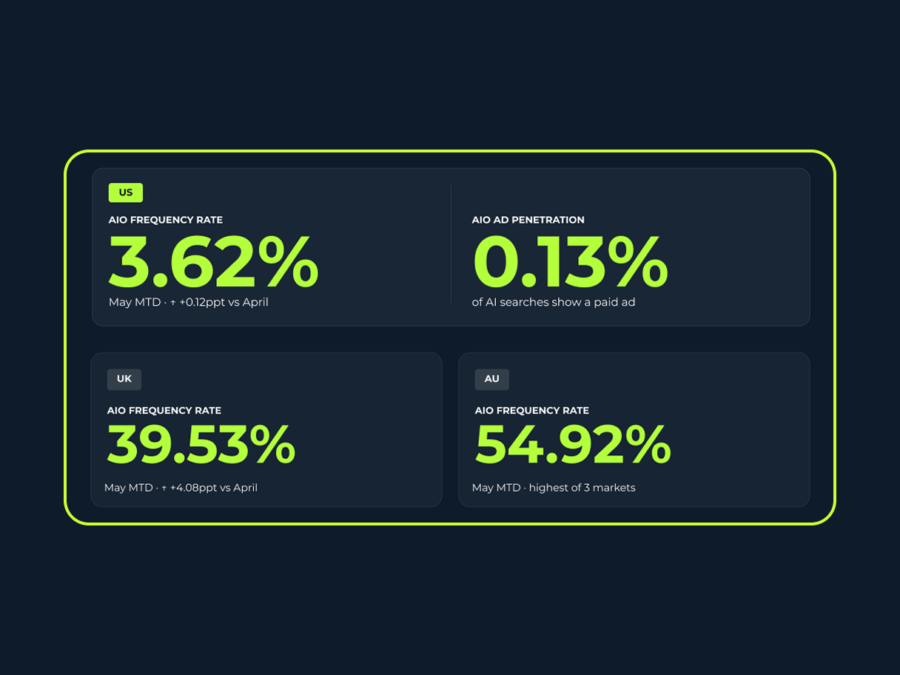
If you’re ready to explore what that looks like in practice, Adthena’s ChatGPT AdBridge lets you get your existing Google Ads campaigns live on ChatGPT ads in minutes.

The AI search advertising history is clear. The opportunity is real. And understanding where we’ve been is the sharpest lens we have on where this is going.

Watch Episode 1 of The Great Search Shift. Episode 2 and 3 are coming soon.

Related content