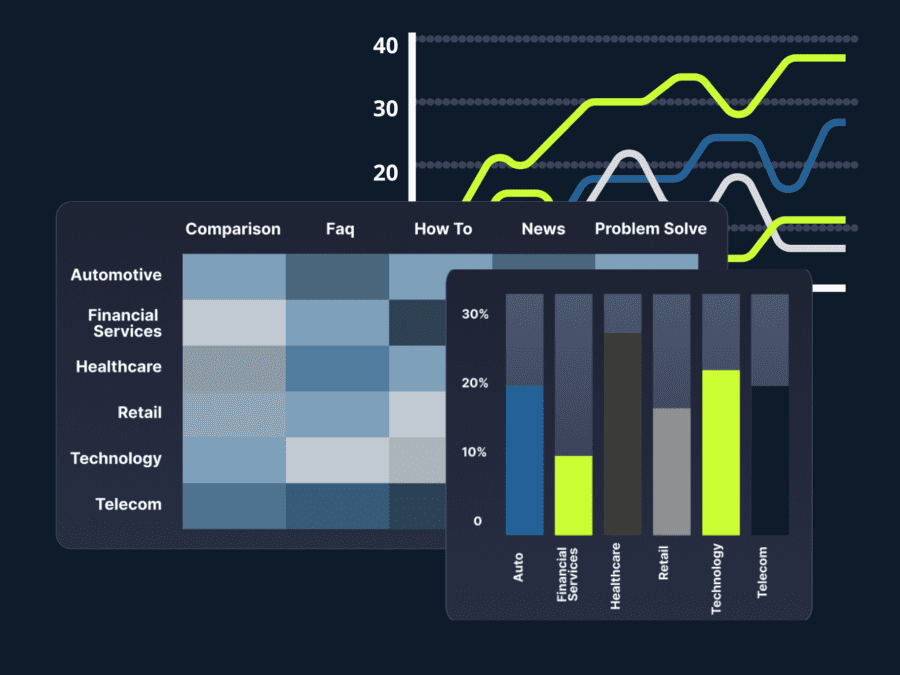
In 2026, search data is no longer just for the PPC team, it is a business-wide asset. By contextualizing Google Ads’ AI outputs with Adthena’s unique datasets, you can move beyond basic keyword lists to answer the high-level strategic questions that drive growth.
1. Who is competing for my digital space?
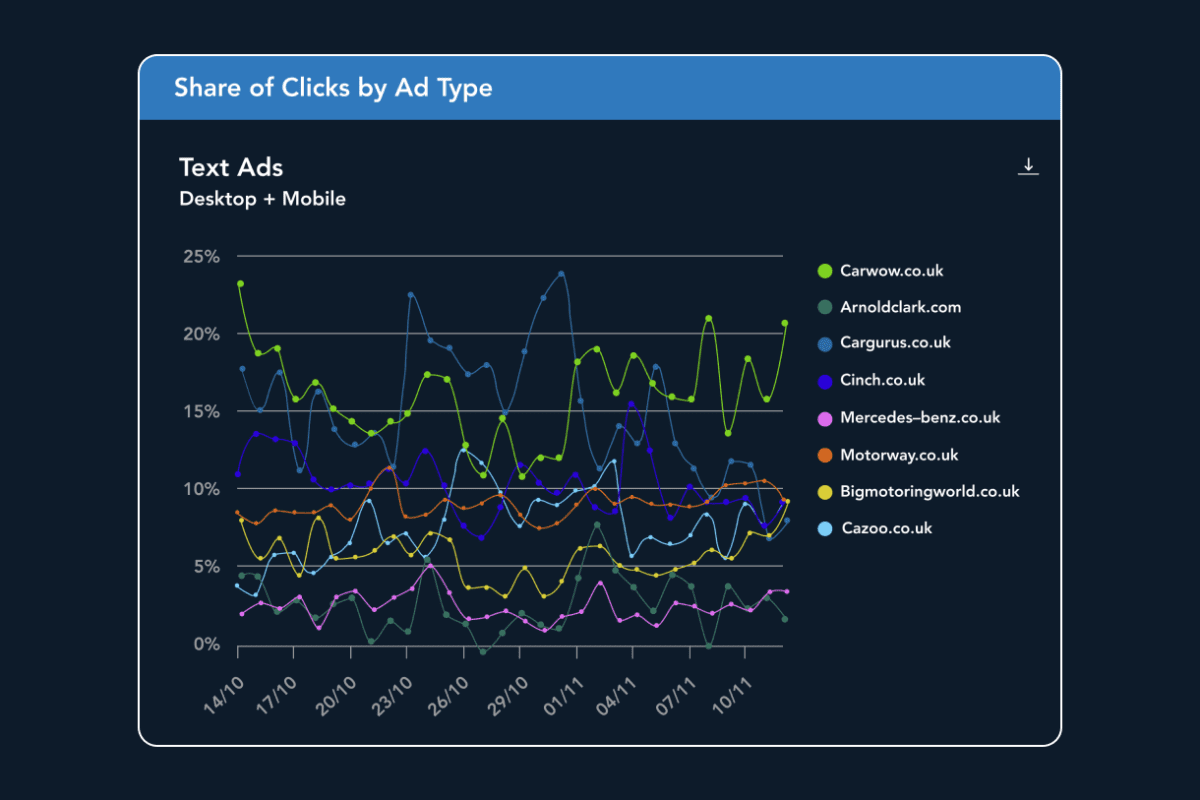
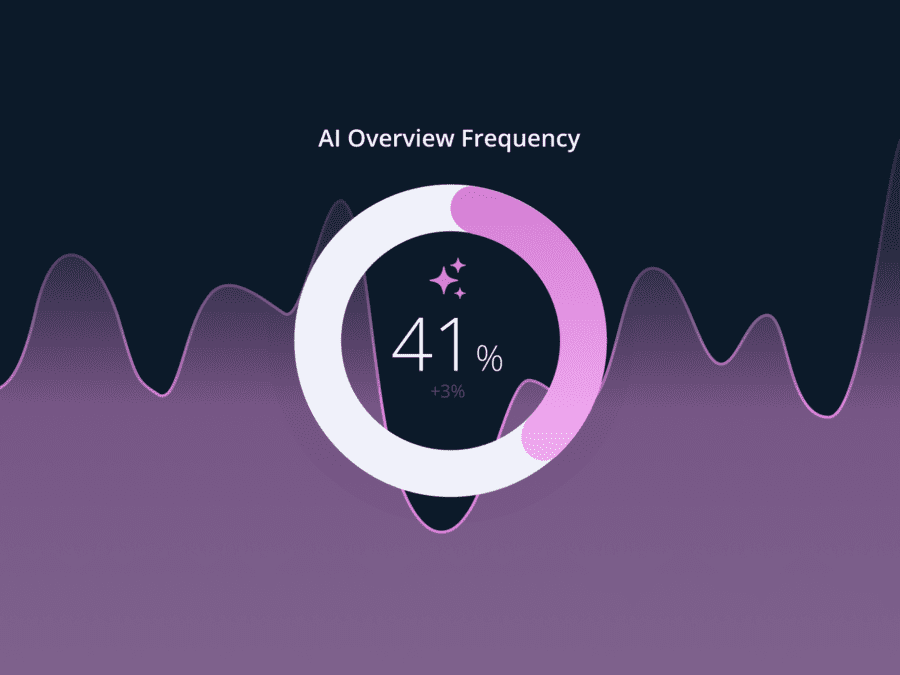
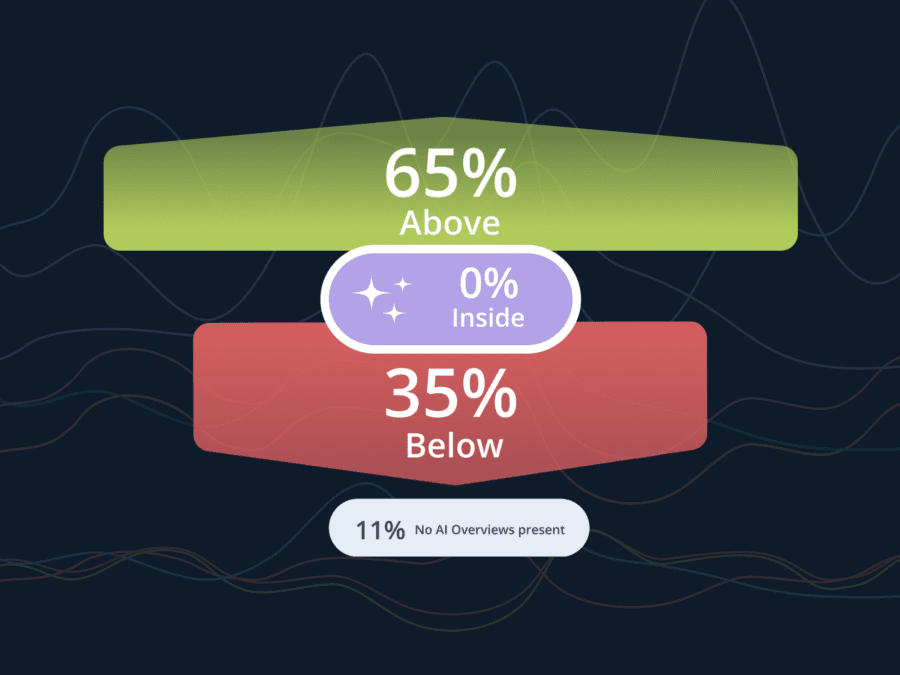
Traditional tools only show you text ad competitors. Modern competitive intelligence identifies “AI Party Crashers”. These are hidden players gaining traction in AI Overviews (AIO) and conversational search results, even if they aren’t bidding on your specific keywords. This allows you to identify threats before they erode your market share.
2. Where is market demand shifting, and what does my audience want?
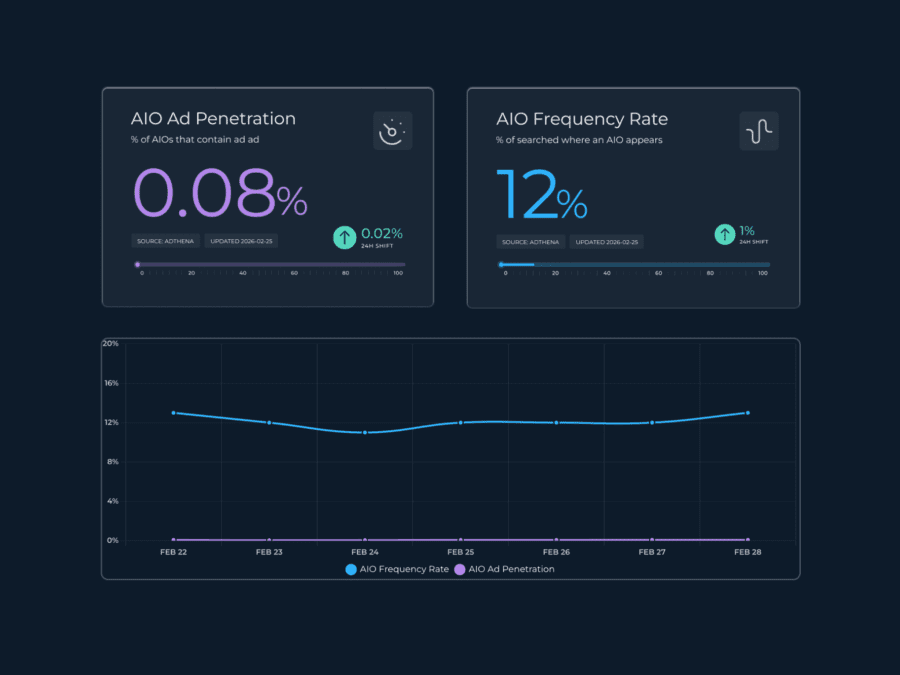
Audience intent has moved from short keywords to natural language queries. AI keyword targeting identifies these long-tail conversational phrases. Instead of reacting to last month’s data, search intelligence monitors real-time frequency swings in consumer intent, letting you align your Google Shopping Insights with what shoppers are actually asking their AI assistants.
3. Am I overspending on brand terms?
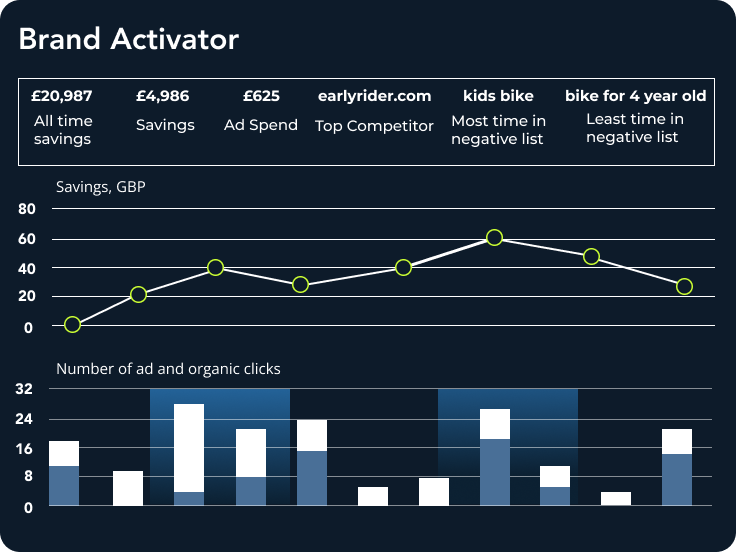
One of the biggest wastes in PPC is bidding on your brand name when you already dominate the SERP. Adthena’s Brand Activator answers exactly which terms you can safely stop bidding on, saving an average of 20% in wasted spend by letting your organic listing take the win when no competitors are present.
4. Who has a better offer, price, or creative?
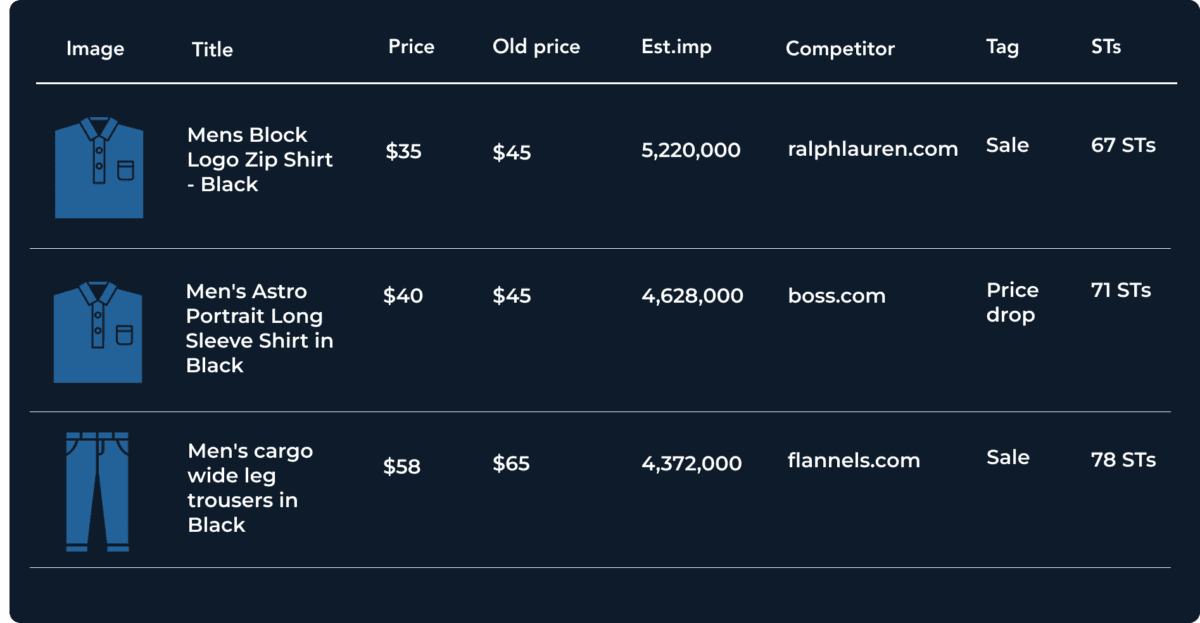
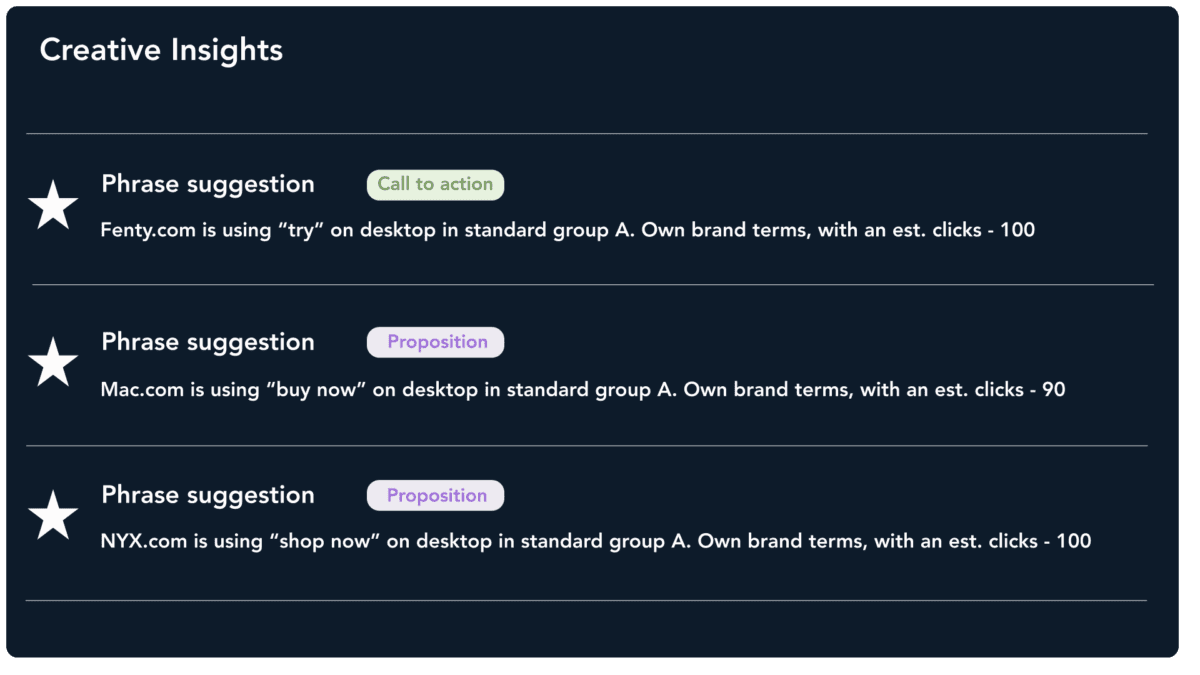
AI doesn’t just look at a snapshot of the SERP; it tracks the evolution of competitor messaging. By using Creative Insights, you can see if a rival is using generative AI to dynamically pivot their pricing or promotional headlines to undercut your offers in real-time.
5. How do my competitors’ strategies compare to mine?
Are your rivals relying on the black box of Performance Max (PMax) for coverage, or are they using manual conquesting to target your customers? A Head-to-Head Comparison reveals their digital footprint, allowing you to deploy Automated Brand Protection to defend your space where they are most aggressive.
6. Should we change promotions or increase budgets in specific regions?
Consumer habits aren’t uniform. Local View search intelligence identifies region-specific threats and opportunities. If search volume for a category spikes in a specific city due to a viral trend, Market Shift Alerts notify you instantly, allowing you to move budget into hot categories before auction prices skyrocket.
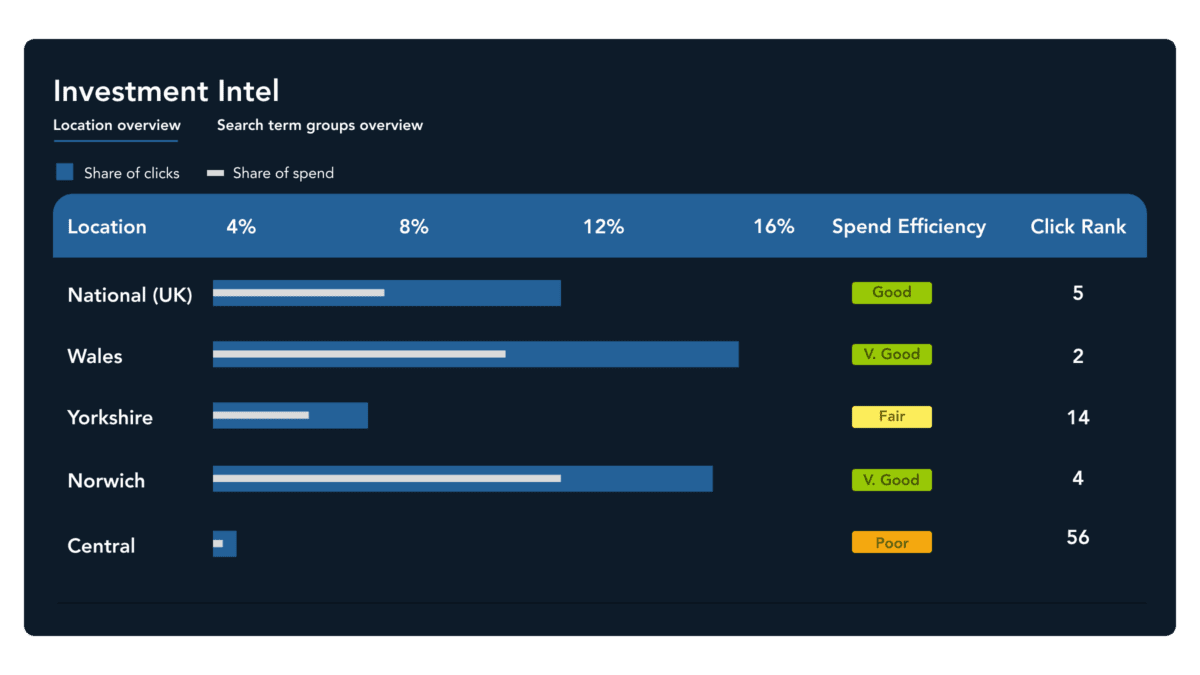
7. Do we need more stock to meet demand ahead?
Search intent is a leading indicator of sales. By layering location-based intelligence over your search data, you can see where demand is rising before it hits your inventory reports. This allows supply chain teams to make informed decisions based on future demand rather than just historical sales.